How can silicone rubber heaters improve energy efficiency?
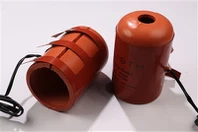
Silicone rubber heaters can significantly improve energy efficiency in various applications due to their unique properties and design features. Here's how they achieve this:
1. Uniform Heat Distribution
- Consistent Heat: Silicone rubber heaters provide uniform heat distribution across the surface of the heater, which ensures that the heat is spread evenly across the object or surface being heated. This eliminates hot spots and minimizes energy loss, as the heater doesn't need to work harder to compensate for uneven heating.
- Energy Saving: When heat is distributed evenly, less energy is required to reach and maintain the desired temperature, leading to lower overall energy consumption.
2. Efficient Heat Transfer
- High Thermal Conductivity: Silicone rubber has excellent thermal conductivity, which allows heat to transfer efficiently from the heater to the object being heated. This reduces the time needed to reach the desired temperature, which helps conserve energy.
- Faster Response Time: Silicone rubber heaters heat up quickly, meaning they don't need to run for extended periods. As a result, they can reduce the duration of heating cycles, which lowers energy consumption.
4. Reduced Heat Loss
Insulating Properties: Silicone rubber heaters are often combined with thermal insulation or are designed with low thermal conductivity to prevent heat loss to the surroundings. This minimizes the amount of heat that escapes from the system, ensuring that more of the energy used to heat the object stays within the system.
Preventing Overheating: Silicone rubber heaters are often equipped with thermostats or temperature controls that prevent overheating, automatically adjusting to maintain the optimal temperature. This ensures the heater doesn't use excess energy to maintain temperatures beyond what's necessary.