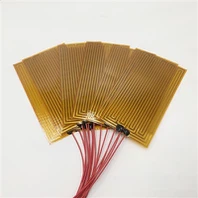
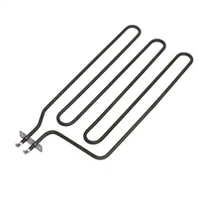
Finned heaters are versatile heating elements commonly used in various industrial applications. They are designed to provide efficient and uniform heat transfer, making them essential in processes such as air heating, fluid heating, and surface heating. To cater to the diverse needs of different industries, finned heaters can be customized. This customization process involves tailoring various aspects of the heater to meet specific requirements, ensuring optimal performance, energy efficiency, and longevity.
In this article, we will explore the ways in which finned heaters are customized to suit specific industrial requirements, demonstrating the flexibility and adaptability of these heating elements.
1. Material Selection
The first step in customizing finned heaters is selecting the appropriate materials. The choice of materials depends on factors like the operating temperature, the corrosive environment, and the specific requirements of the industrial application. Common materials used for finned heaters include stainless steel, Incoloy, copper, and titanium. The selection of the right material ensures that the heater can withstand the harsh conditions it may be exposed to.
2. Watt Density
The watt density of a finned heater is the amount of power generated per unit area. Customization allows for adjustments in watt density to match the specific requirements of an application. Industries with higher heat demand may require a higher watt density to achieve the desired temperature quickly, while others with sensitive materials or lower heat requirements may opt for a lower watt density to prevent overheating and potential damage.
3. Sheath Diameter and Length
The sheath diameter and length are essential factors in the design of a finned heater. Customizing these parameters ensures that the heater fits perfectly into the available space and provides even heat distribution. Industries with limited space may need a compact, shorter sheath, while others with larger spaces can opt for longer sheaths to cover a greater surface area.
4. Fin Design
Finned heaters are equipped with fins on their sheaths to increase the surface area for heat transfer. Customizing the fin design can significantly impact the heater's performance. Variations in fin geometry, such as the number, shape, and thickness of the fins, allow for fine-tuning heat distribution and maximizing efficiency. This customization is particularly useful in applications where precise temperature control is crucial.
5. Terminal Enclosures
Terminal enclosures on finned heaters are essential for electrical connections and protection against environmental factors. Customization options include choosing the type of enclosure (e.g., NEMA-rated, explosion-proof, or moisture-resistant) and the location of terminals to ensure they meet the specific requirements of the industrial environment, whether it's a wet and corrosive setting or a hazardous area.
6. Mounting Options
Finned heaters can be customized with various mounting options to facilitate easy installation in industrial processes. Industries often have unique mounting requirements based on the space available and the heating application. Customization may include flange mounts, threaded fittings, or other mounting configurations, ensuring a seamless fit into the existing equipment or system.
7. Control and Monitoring Systems
In many industrial applications, finned heaters are integrated into larger control and monitoring systems. Customization may involve incorporating specialized sensors, temperature controllers, and safety features to meet the specific requirements of the process. This ensures that the heater can be closely regulated to maintain the desired temperature and protect against overheating or other issues.
Customizing finned heaters for specific industrial requirements is essential to achieving optimal performance and efficiency. By tailoring materials, watt density, sheath dimensions, fin design, terminal enclosures, mounting options, and control systems, finned heaters can be adapted to meet the diverse needs of various industries.
Whether it's providing precise temperature control in a chemical processing plant, efficient fluid heating in a manufacturing facility, or uniform air heating in an HVAC system, finned heaters offer flexibility and adaptability. The ability to customize these heating elements ensures that they remain a crucial component in industrial processes, contributing to improved productivity and energy savings while meeting the unique demands of each application.