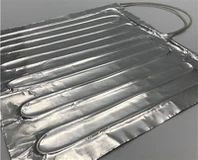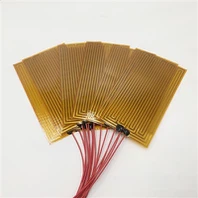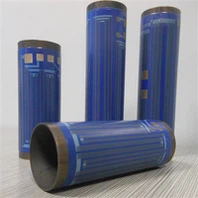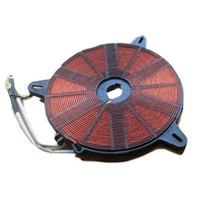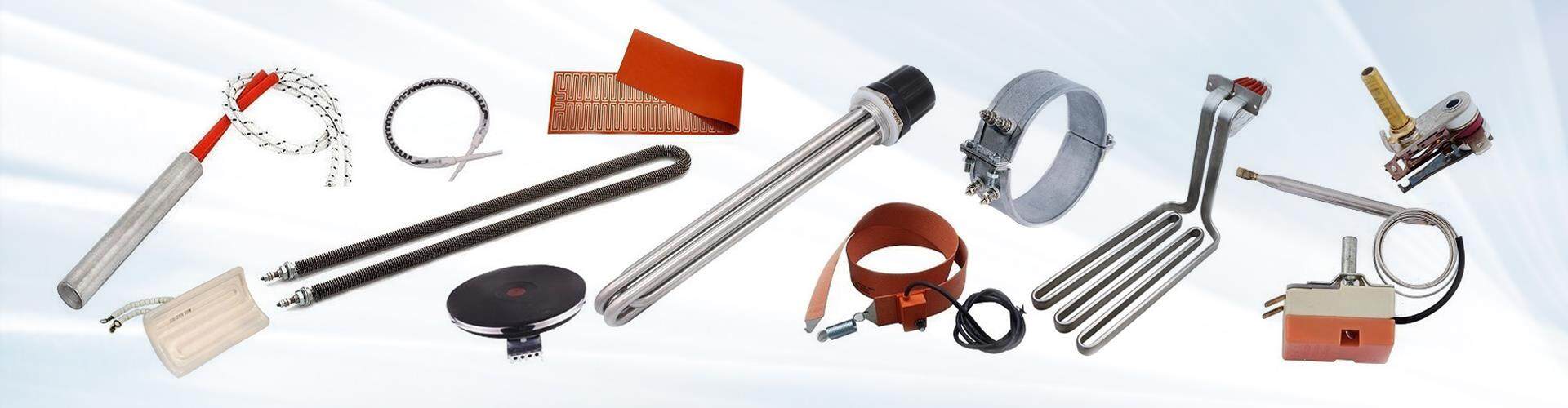
Aluminum foil heating elements represent a significant evolution in food warming technology, moving beyond simple conduction (hot plates) or radiant heat (heat lamps) to offer a more precise, efficient, and flexible solution.

Here's how they are redefining the field:
1. Core Technology: Etched Foil Heating Elements
At the heart of this innovation is a thin, flexible sheet of aluminum foil that is chemically etched or laminated with a conductive pattern. When an electric current passes through this pattern, it generates uniform, controllable heat across its entire surface. This is fundamentally different from coiled wire elements or ceramic plates.
2. Key Redefining Characteristics
Ultra-Thin & Flexible Form Factor: Unlike bulky traditional elements, foil heaters can be as thin as a few sheets of paper. This allows them to be integrated into curved surfaces, drawers, compartment walls, or even wrapped around food containers. It enables entirely new product designs.
Exceptional Temperature Uniformity: The etched pattern is engineered to distribute heat evenly, eliminating hot and cold spots. This is critical for gentle, consistent warming without burning edges or leaving centers cold-a common flaw in older technologies.
Rapid Thermal Response: Aluminum has low thermal mass. This means the elements heat up and cool down almost instantly, allowing for precise on-demand control and significant energy savings compared to elements that must stay hot.
High Energy Efficiency: The direct contact with the food or container (conductive heating) and minimal heat loss to the surrounding air make this a highly efficient method. Almost all the generated heat is transferred directly to the target.
Precision Control: When paired with modern thermistors and microcontrollers, these elements can maintain exact temperatures (e.g., 145°F / 63°C for holding scrambled eggs) with ±1°C accuracy, something impossible with older analog systems.
3. Applications Transforming Food Warming
Commercial Food Warmers & Buffet Lines: Integrated into the sides and bottoms of wells, they provide even heat for pans. They are also used in drawer warmers for plates or specific dishes, where their thin profile maximizes interior space.
Home Kitchen Appliances: Found in high-end toasters, air fryers (for even heating), bread makers, yogurt makers, and sous-vide immersion circulators. Their precision enables advanced cooking functions.
Portable/Personal Food Warmers: Their thinness allows for sleek, lunchbox-sized portable warmers that can heat a meal evenly in minutes.
Delivery and Last-Mile Solutions: This is a frontier. Insulated delivery bags and pods are being fitted with lightweight foil heating elements (often battery-powered) to keep food at perfect temperature during transit, addressing a major pain point in food delivery quality.
4. Comparison to Traditional Technologies
vs. Hot Lamps (Radiant): Foil elements provide conductive heat (more efficient, less drying) and don't shine light on food. They are also safer and more energy-efficient.
vs. Coiled Wire or Calrod Elements: Foil offers far better uniformity, faster response, and isn't prone to burnout or hot spots. It's also much thinner.
vs. Solid Hot Plates (Conduction): Foil elements are lighter, heat more evenly across the surface, and cool down quickly for safety.
5. The Broader Impact: "Smart Warming"
Aluminum foil heating elements are an enabling technology for the Internet of Things (IoT) in kitchens. Their compatibility with digital controls allows them to be integrated into smart systems:
A restaurant kitchen management system could remotely activate and set holding temperatures for multiple drawers.
A consumer appliance could download a warming profile for a specific frozen meal via Wi-Fi.
Precise data logging for food safety (HACCP compliance) is easier.
Challenges and Considerations
Cost: More expensive to manufacture than simple coiled wire, though costs are falling.
Durability: While robust, the thin foil can be vulnerable to puncture or corrosion if not properly laminated and protected.
Control Dependency: Their full potential is only realized with sophisticated electronic controls, adding complexity.

One-stop Aluminum Foil Heating Elements Factory in China
Upgrade your heating systems with Jaye Heater's premium components. For reliable heating elements and precise thermal controllers that ensure performance and safety, contact our experts today for a quote and technical support. Let's find your perfect heating solution.