At the heart of the modern smart toilet experience is a single, crucial sensation: warmth. The surprise of a warm seat on a cold morning is the most defining feature that separates a smart toilet from a traditional one. Aluminum foil heaters are the unsung heroes that make this comfort, and several other key functions, possible.
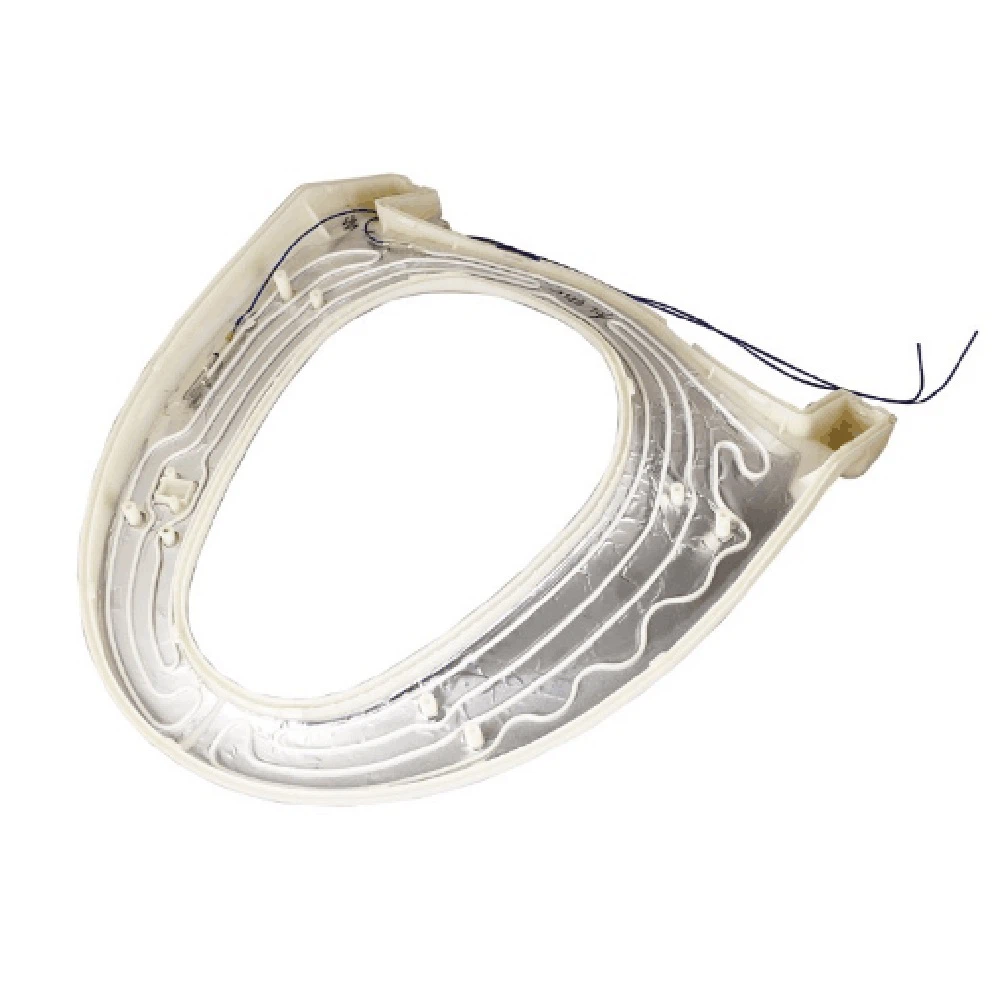
Here's a detailed look at how they enhance the technology:
1. Rapid and Even Seat Warming
This is the most common and appreciated application.
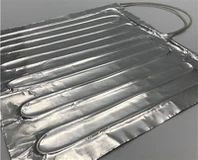
Traditional vs. Foil Heaters: Older heating methods, like wire coils, often created hot spots and took a long time to warm the entire seat surface. Aluminum foil heaters, in contrast, are thin, flexible, and can be custom-cut to cover a large area of the seat's contoured surface.
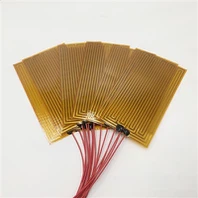
How it Works: The heating element is a thin, etched foil pattern laminated between layers of durable, insulating plastic (like Kapton or silicone rubber). When electricity passes through the foil, it resistively heats up almost instantly.
The Result: The heat distributes evenly across the entire seat, eliminating cold spots and providing immediate comfort from the moment you sit down. Many smart toilets offer adjustable temperature settings, which are easily managed by a simple controller regulating the power to the foil heater.
2. Efficient and Reliable Warm Air Drying
The air dryer function is a cornerstone of smart toilet hygiene, eliminating the need for toilet paper.
The Challenge: To blow warm air quickly and efficiently, the heater needs to heat the air stream as it passes through, requiring a compact yet powerful heating element.
The Solution: A small, precisely shaped aluminum foil heater is placed directly in the path of the air flow from the dryer fan. Its low thermal mass allows it to heat up almost instantly, transferring energy to the air very efficiently. This provides a consistent stream of warm air for a comfortable and effective drying experience without a long wait.
3. Preventing Lens Fogging for Bidet Nozzles
This is a critical but often overlooked enhancement for hygiene and performance.
The Problem: The bidet nozzle, which extends to spray water, is located inside the moist, warm environment of the toilet bowl. When it retracts, its smooth plastic lens is susceptible to fogging from condensation, much like glasses or a bathroom mirror. Fogging can hinder the self-clealing UV or electrolytic water sterilization processes that many high-end models use.
The Solution: A very small, low-wattage aluminum foil heater is integrated behind the nozzle housing or around the lens area.
The Result: By keeping the nozzle lens slightly warmer than the surrounding dew point, it completely prevents condensation from forming. This ensures the lens stays clear for effective sterilization, maintains cleanliness, and guarantees the accuracy of the spray.
4. Maintaining Warm Water for Bidet Functions
While the primary water heating is often done by a more powerful inline heater or a tank, foil heaters can play a supporting role.
The Application: They can be wrapped around small sections of water tubing or the internal bidet nozzle mechanism.
The Purpose: This prevents the last few drops of water in the mechanism from cooling down between uses. It ensures that the warm water stream starts almost immediately, rather than having to push a slug of cold water out first, enhancing the user's comfort from the very beginning of the spray cycle.
Key Advantages of Aluminum Foil Heaters in This Context
Why is this specific technology so well-suited for smart toilets?
- Extremely Thin and Flexible: They can be easily integrated into the curved, complex shapes of a toilet seat, nozzle housing, and air ducts without adding bulk.
- Lightweight: Adds minimal weight to moving parts like the bidet nozzle.
- Rapid Thermal Response: Heats up and cools down almost instantly, providing immediate comfort and improving energy efficiency.
- Uniform Heating: The etched foil pattern can be engineered to distribute heat perfectly evenly, avoiding uncomfortable hot spots.
- Durability and Safety: The lamination process seals the conductive element, making it resistant to moisture, corrosion, and physical wear-and-tear-essential in a bathroom environment. They are also very reliable with a long operational lifespan.
- Energy Efficiency: Their direct and efficient heat transfer, combined with instant-on capability, means they only use energy when and where it's needed, often in short bursts.