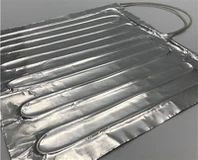
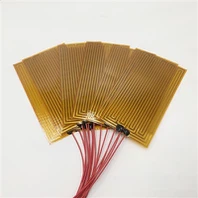
Aluminum foil heaters play a crucial role in maintaining consistent temperatures in food warming cabinets, ensuring food stays warm, fresh, and ready to serve. These heaters are highly efficient, lightweight, and adaptable, making them an ideal choice for such applications.
The primary advantage of aluminum foil heaters is their excellent thermal conductivity. The aluminum foil layer facilitates quick and uniform heat transfer, effectively eliminating cold spots within the warming cabinet. This uniform heating ensures that all stored food items are maintained at the desired temperature without overheating or drying out.

Thanks to their flexible and thin design, aluminum foil heaters can be seamlessly incorporated into various parts of a food warming cabinet, such as under the shelves, behind panels, or even lining the inner walls. This versatility allows manufacturers to customize the heater's placement to maximize efficiency based on the cabinet's specific design and size.

Another significant benefit is the energy efficiency of aluminum foil heaters. Their low power consumption ensures that the warming cabinet operates cost-effectively while maintaining consistent performance. This not only reduces energy costs but also minimizes the environmental impact, making them a sustainable solution for commercial food storage.
Additionally, aluminum foil heaters are durable and reliable, capable of withstanding the frequent use and operational demands of food service environments. Their consistent performance ensures that the warming cabinet remains functional and effective over time, reducing maintenance needs and downtime.
In food service industries such as restaurants, catering services, and buffets, maintaining food at safe and appealing temperatures is critical. Aluminum foil heaters help achieve this by providing a controlled and consistent heat source, ensuring that food remains fresh, warm, and ready for customers.
In conclusion, aluminum foil heaters are an integral component of food warming cabinets, offering efficient heat distribution, energy savings, and reliable performance. Their adaptability and effectiveness make them indispensable in maintaining food quality and safety in various commercial settings.