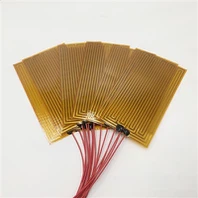
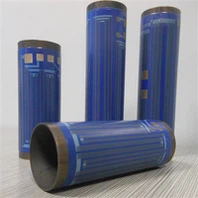
PTC (Positive Temperature Coefficient) self-regulating cartridge heaters in HVAC systems use specialized materials that naturally limit current as they reach specific temperatures. This self-regulating effect occurs due to the PTC material's increasing resistance as it heats up. Here's how the process works in HVAC applications:
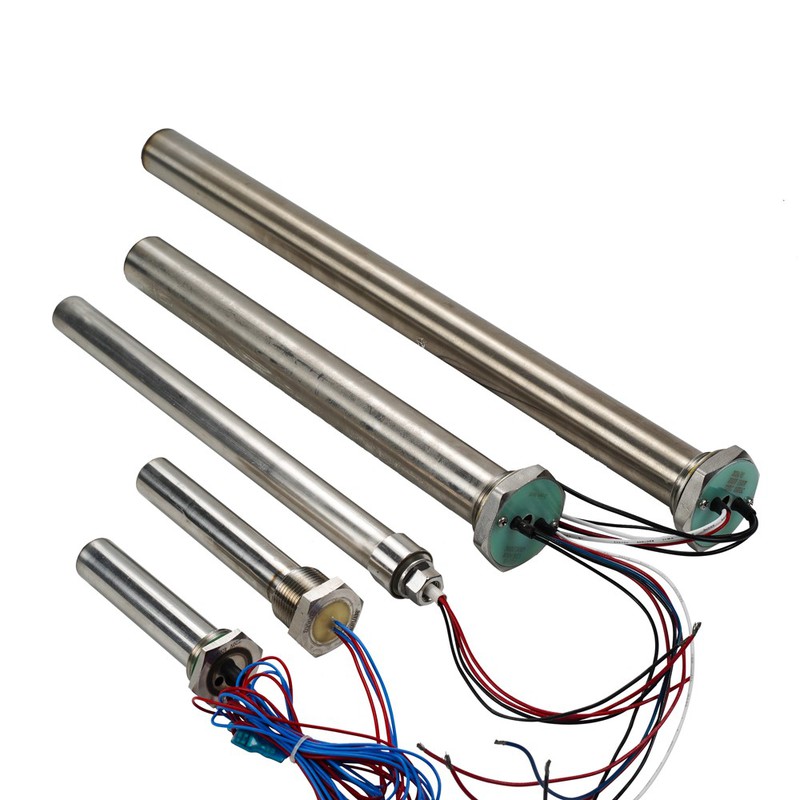
- Rapid Heating: When first activated, the PTC heater draws a high initial current, rapidly reaching the target temperature. This allows HVAC systems to achieve desired heating quickly and efficiently.
- Self-Regulation: As the heater warms, the PTC material's resistance rises, lowering the current draw and thereby reducing heat output. This process continues until the heater reaches a stable operating temperature.
- Temperature Maintenance: The heater then maintains the set temperature with minimal power. This self-regulating property allows the heater to prevent overheating without external thermostats or complex controls, improving safety.
- Energy Efficiency: Once the desired temperature is reached, energy usage decreases, making PTC heaters efficient for HVAC systems that require steady, reliable heating without excessive power draw.
PTC self-regulating cartridge heaters are commonly used in HVAC duct heaters and air-handling units, offering safe, consistent heating with reduced operational costs. Their ability to self-regulate not only simplifies system design but also extends heater lifespan, making them an ideal choice for HVAC applications.