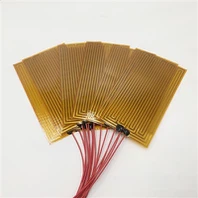
Silicone rubber heaters find various applications in the automotive industry due to their flexibility, durability, and ability to provide efficient and uniform heat distribution. Some common applications of silicone rubber heaters in the automotive sector include:
1. Engine Preheating:
Silicone rubber heaters can be used for preheating engine components, such as the engine block and coolant, in cold climates. This enhances the engine's starting performance and reduces wear on critical components.
2. Battery Heating:
In electric and hybrid vehicles, silicone rubber heaters are applied to maintain optimal operating temperatures for batteries, ensuring improved performance and extending battery life, especially in cold conditions.
3. Fuel System Heating:
Silicone rubber heaters help prevent fuel gelling and ensure the flow of fuel in the fuel lines, fuel tanks, and fuel filters in cold weather. This aids in maintaining the efficiency of the combustion process.
4. Fluid Heating:
They are used to heat various fluids in the vehicle, including engine coolant, transmission fluid, and hydraulic fluid, to improve viscosity and ensure proper lubrication, especially during cold starts.
5. Exhaust Gas Treatment:
Silicone rubber heaters can be applied to catalytic converters and diesel particulate filters to facilitate the efficient operation of emission control systems, particularly during cold start conditions.
6. Adhesive Curing:
During the manufacturing process, silicone rubber heaters are used for curing adhesives and sealants in automotive components, such as bonding various parts of the vehicle.
7. Windshield De-icing and Defrosting:
Silicone rubber heaters are employed to heat the windshield and facilitate the removal of ice and snow. They are also used in the defrosting systems to enhance driver visibility.
The flexibility and versatility of silicone rubber heaters make them a valuable solution in addressing various temperature-related challenges in the automotive industry. Their ability to conform to different shapes and sizes allows for efficient integration into various automotive components.