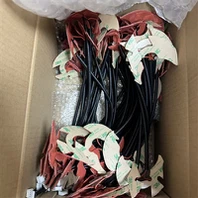
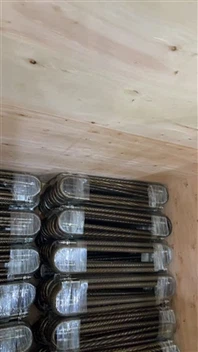
In a remarkable stride towards the future, the realm of electric heating elements is undergoing a transformative evolution, propelled by cutting-edge technologies like thick film printing. This dynamic advancement is not only enhancing the performance and capabilities of these elements but is also ushering in a wave of novel applications and scenarios across various industries. No longer confined to conventional household heating appliances, electric heating elements are stretching their potential to embrace new functionalities and meet emerging environmental demands.
Expanding Horizons through Thick Film Printing:
The emergence of thick film printing technology has sparked a revolution in the electric heating element domain. This sophisticated technique allows for intricate patterns and high-quality coatings on a range of substrates, resulting in electric heating elements that deliver superior performance, enhanced durability, and increased energy efficiency. This technological leap has set the stage for a broader scope of applications that goes beyond traditional heating purposes.
Diversification of Applications:
Gone are the days when electric heating elements were limited to their traditional roles in household appliances such as electric water heaters, kettles, and irons. The convergence of thick film printing and progressive engineering has spurred a diverse array of applications. From automatic defrosting capabilities in refrigerators to heating functions in washing machines, the versatility of electric heating elements has found its way into unexpected corners of our lives.
Moreover, electric heating elements are stepping up as invaluable aids in household central air conditioning systems. As environmental conditions shift and requirements evolve, these elements are proving to be pivotal in providing supplementary heating, ensuring optimal comfort year-round.
Meeting New Requirements and Environmental Standards:
The winds of change are not solely driven by technological breakthroughs; evolving host requirements and environmental considerations have also been instrumental in pushing the boundaries of electric heating element technology. The seamless integration of heating functionalities in appliances is not just a trend but a necessity. Appliances with defrosting, heating, and auxiliary functions are becoming a norm, enhancing convenience and utility for consumers while ensuring energy efficiency and performance.
The journey of electric heating elements from conventional heating appliances to multifunctional and environmentally conscious technologies is a testament to the power of innovation and adaptability. With thick film printing as a catalyst and changing consumer demands as a guiding force, these elements have risen to new heights of versatility and utility. As we witness the expansion of their roles across various domains, one thing is clear: the horizon of possibilities for electric heating elements is limitless, shaping a future where innovation knows no bounds.