Why Are Thermostats Important for Electric Heating Systems?
Temperature control is an essential part of electric heating systems. Whether used in industrial equipment, medical devices, household appliances, or heating solutions, maintaining a stable temperature helps improve performance, safety, and product reliability. Thermostats play an important role by monitoring temperature changes and controlling the operation of heating elements.
One of the main advantages of thermostats is their ability to maintain accurate temperature control. Without proper control, heating elements may continue working after reaching the required temperature, causing overheating, energy waste, or damage to components. A thermostat can automatically switch the heater on or off according to the preset temperature range, ensuring stable operation.
Thermostats also help extend the service life of heating systems. By preventing excessive temperatures, they reduce stress on heating elements and improve overall system safety. Different applications may require different thermostat solutions, including mechanical thermostats, electronic thermostats, or temperature sensors such as NTC thermistors for more precise control.
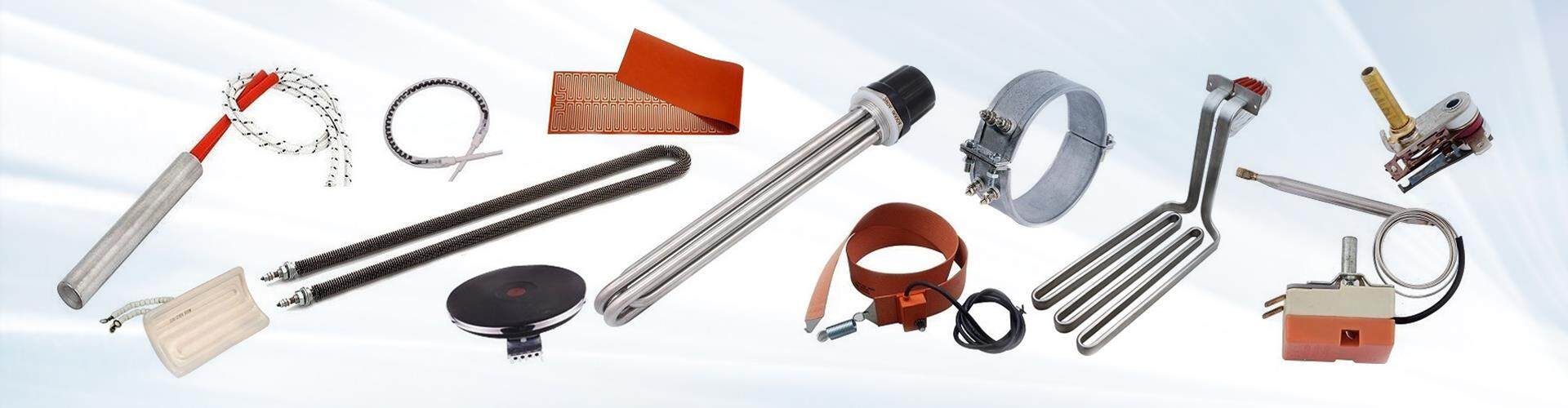
Thermostats are commonly used together with silicone rubber heaters, PI film heaters, cartridge heaters, and other electric heating elements. They are widely applied in medical equipment, industrial machinery, battery systems, and household appliances.