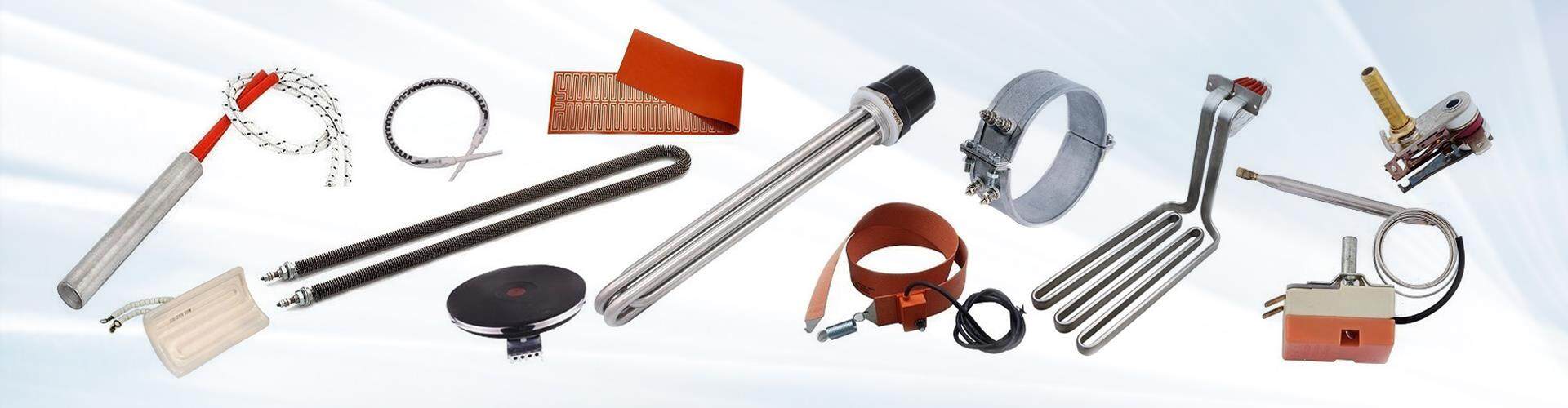
Egg incubators require reliable and consistent heating elements to maintain the optimal temperature for egg development. Several types of heating elements can be used in egg incubators, each with its own advantages and disadvantages. Here are some common types:
Resistive Heating Elements:
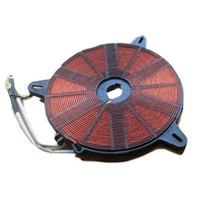
Wire Heating Elements: Made from materials like nichrome or Kanthal, these are commonly used in incubators due to their reliability and ability to produce consistent heat.
Mica Heating Elements: These consist of a heating wire embedded in mica insulation, which provides even heat distribution and durability.
Silicone Rubber Heating Pads:
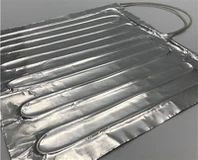
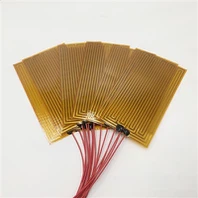
Silicone Rubber Heaters: Flexible and durable, silicone rubber heating pads are often used in incubators. They can conform to various shapes and provide uniform heat distribution.
PTC (Positive Temperature Coefficient) Heating Elements:
PTC Heaters: These heaters self-regulate their temperature due to the PTC effect, which increases resistance as the temperature rises. They are safe and efficient for maintaining a consistent temperature.
Ceramic Heating Elements:
Ceramic Heaters: These heaters use ceramic plates or rods to generate heat. They are known for their stability and longevity but may be less flexible in terms of placement.
Infrared Heating Elements:
Infrared Heaters: These emit infrared radiation to heat the air and objects in the incubator. They can be effective for maintaining temperature but require careful placement to ensure uniform heat distribution.
Hydronic or Liquid Heating Systems:
Liquid Heating Systems: These involve circulating heated liquid through a system of pipes or coils to transfer heat. They can be used in larger incubators but are more complex to install and maintain.