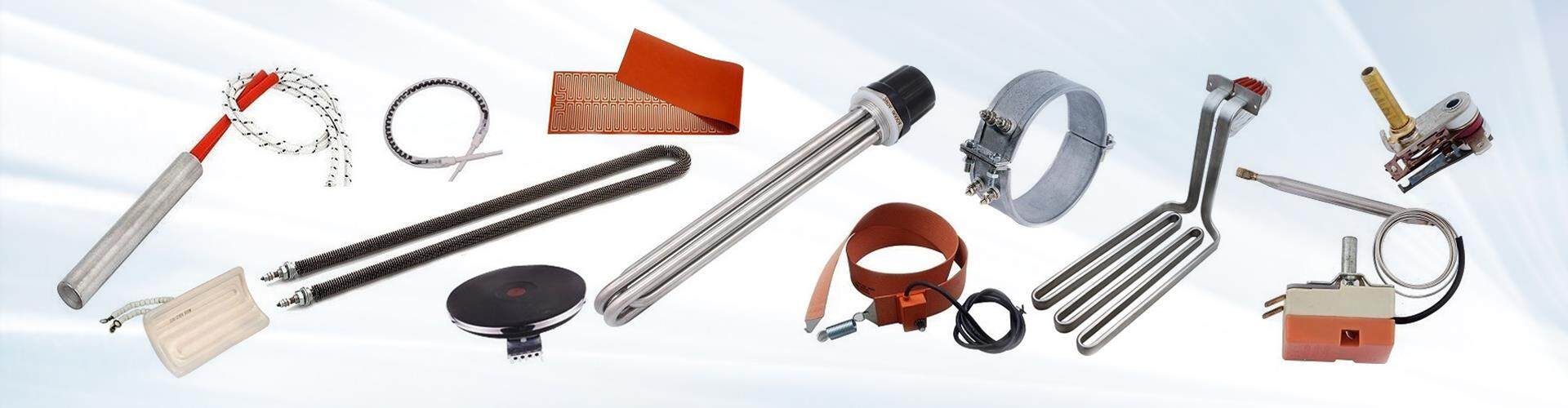
Ceramic infrared heaters play multiple critical roles in industrial applications, with core advantages in efficient radiant heat transfer, precise temperature control, and energy-saving eco-friendliness. Below is a detailed analysis of their primary functions and use cases:
1. Rapid Heating and Energy Efficiency
Principle: Directly heat object surfaces via infrared radiation, bypassing air heating to minimize energy loss.
Applications:
Plastics Processing: Preheating molds or softening plastic sheets (e.g., vacuum thermoforming), shortening production cycles.
Printing/Packaging: Rapid drying of inks or adhesives while avoiding material deformation (e.g., paper products).
Food Industry: Drying fruits, vegetables, or biscuits, preserving flavor with lower energy consumption compared to traditional hot-air drying.

2. Precise Temperature Control and Uniform Heating
Advantages: High emissivity of ceramics and wavelengths matching the absorption bands of specific materials ensure even heating.
Applications:
Automotive Manufacturing: Curing paint coatings without bubbles or color inconsistencies, enhancing finish quality.
Electronics: Soldering circuit board components with accurate temperature control to prevent thermal damage.
Glass Processing: Uniform heating during bending or annealing to reduce stress-induced cracking.

3. Enhanced Process Hygiene and Safety
Features: No open flames or exhaust emissions, ideal for clean environments.
Applications:
Medical Equipment: Sterilizing or drying glassware without secondary contamination.
Textile Printing: Drying fabrics without direct contact, minimizing fiber damage or contamination.

4. Adaptability to Harsh Industrial Environments
Durability: Ceramics withstand high temperatures, corrosion, and offer longer lifespans than metal heating elements.
Use Cases:
Chemical Industry: Heating corrosive liquids or reactors.
Metallurgy: Preheating metals (e.g., before forging) to reduce energy consumption.

5. Sustainability and Cost Optimization
Energy Savings: Direct conversion of electricity to radiant energy achieves >60% efficiency (vs. 30–40% for convection heating).
Emission Reduction: Eliminates fossil fuel combustion, aligning with green manufacturing standards.

Industry-Specific Examples
Automotive Paint Lines: Infrared heaters cure primers and topcoats 50% faster than hot-air drying.
PET Bottle Blow Molding: Uniform preform heating prevents wall thickness inconsistencies and cracks.
Wood Processing: Matched infrared wavelengths enhance drying efficiency without wood splitting.

Conclusion
Ceramic infrared heaters enable quality improvement, cost reduction, and efficiency gains in industrial processes through targeted radiation, rapid response, and longevity. They excel in temperature-sensitive or energy-intensive applications by delivering heat precisely to targets rather than wasting it on the surroundings, making them vital components in modern industrial advancements.