What Materials Are Used in Flexible Foil Heaters?
Flexible foil heaters are engineered using a combination of materials that offer lightweight, flexible, and efficient thermal performance. The exact material composition depends on the intended application, temperature range, and environmental conditions. Here's a breakdown of the main materials used in flexible foil heaters:
1. Heating Element Materials
This is the resistive material that generates heat when electricity passes through it.
Common Types:
Etched Foil (usually copper or nickel alloy)
- Thin metal foil chemically etched into a heating pattern
- Provides uniform heating and fast response
- Often used in high-precision applications
Resistance Wire (e.g., nichrome)
- Wound or laid in serpentine patterns
- More flexible and durable than etched foil
- Suitable for rugged or custom-shaped applications
2. Substrate and Insulating Materials
hese layers insulate the heater and protect the heating element.
Common Substrates:
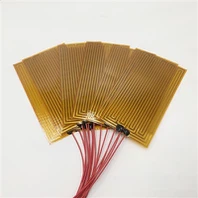
Polyimide (Kapton)
- Very thin and lightweight
- High thermal and chemical stability
- Ideal for aerospace, medical, and electronics applications
Silicone Rubber
- Flexible and durable
- Good for moisture and chemical resistance
- Used in industrial or outdoor environments
Polyester (PET)
- Lower-cost option
- Suitable for moderate temperatures (usually below 150°C)
- Used in consumer electronics or office equipment
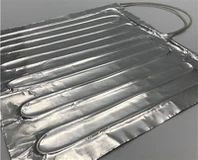
Aluminum Foil
- Good thermal conductivity
- Often used as an outer layer for distributing heat evenly
- Typically combined with polyester or other insulators