What materials are flange heaters made of?
Flange heaters, often used in industrial applications for heating liquids or gases in pipes, are typically made from the following materials:
1.Heating Element:
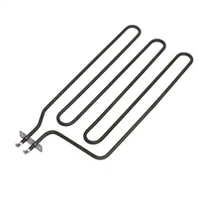
- Stainless Steel: Most flange heaters use stainless steel for their heating elements due to its excellent resistance to corrosion and high temperatures. It's durable and can withstand the stresses of high-heat environments.
- Incoloy: This is an alloy of nickel, iron, and chromium, and is often used in high-temperature or corrosive environments. Incoloy is resistant to oxidation and high temperatures, making it ideal for applications where the heater is exposed to extreme conditions.
- Copper: In some cases, copper is used for the heating element, especially in lower-temperature applications. Copper is known for its excellent thermal conductivity.
2.Flange Material:
- Carbon Steel: Often used for the flange itself, carbon steel offers strength and durability, though it may be more susceptible to corrosion compared to stainless steel. Carbon steel flanges are often coated to improve corrosion resistance.
- Stainless Steel: Stainless steel flanges are also common, especially for applications that require high corrosion resistance. It's particularly useful in industries like food processing or pharmaceuticals.
- Aluminum: In some cases, aluminum can be used for flanges in environments where weight is a concern and corrosion is less of an issue.
3.Insulation:
- Ceramic Insulation: For high-efficiency heating, ceramic materials may be used to insulate the heating elements, preventing heat loss and improving energy efficiency.
- Mica: In some cases, mica insulation is used as it has good electrical insulating properties and can handle high temperatures.