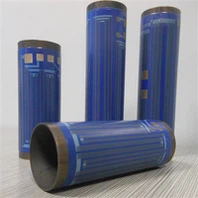
The thick film printing process involves depositing a thick layer of the resistive material onto the substrate, typically using screen printing techniques. The resistive layer is then cured at high temperatures, creating a durable and long-lasting heating element.

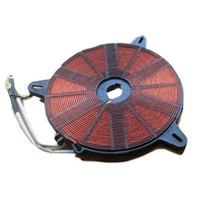
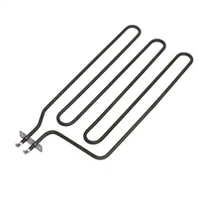
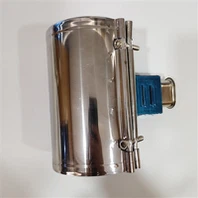
Thick film heaters are known for their fast heating response and efficient heat transfer, making them popular in a wide range of industrial and commercial applications, such as in automotive systems, medical devices, and aerospace applications. They are also commonly used in home appliances like ovens, water heaters, and coffee makers.

The composition of a thick film heater can vary depending on the specific application and requirements, but typically includes the following components:
- Substrate: The substrate is the base material onto which the thick film heating element is printed. The substrate is usually made of a ceramic material like alumina or aluminum nitride, which provides good thermal conductivity and insulation.
- Resistive element: The resistive element is the part of the heater that converts electrical energy into heat. It is usually made of a conductive material like silver or carbon, which is printed onto the substrate in a thick film layer using screen printing or other deposition techniques.
- Conductive traces: The conductive traces are the electrical connections that deliver power to the resistive element. They are also printed onto the substrate using a thick film process.
- Dielectric layer: The dielectric layer is a non-conductive material that is printed onto the substrate between the resistive element and conductive traces. It acts as an insulator to prevent electrical shorts and arcing.
- Protective coating: A protective coating is often applied over the entire heater to protect it from moisture, chemicals, and other environmental factors that could damage the resistive element or substrate.