1. Preparing the Setup
-
Aquarium
Choose the Correct Wattage: Select a heating tube based on the size of your aquarium. For smaller tanks (up to 50L), a 50W or 100W heater may suffice, while larger tanks (over 200L) will require heaters with higher wattage (200W to 300W).
Select Location: For submersible heaters, place the carbon fiber tube in the water, ensuring it is fully submerged. For external heaters (in-line), ensure the water flow setup allows for effective heat distribution.
-
Terrarium
Determine Heating Needs: Consider the specific needs of your reptiles or plants. Carbon fiber heating tubes can be used to create a basking zone or heat gradient in the terrarium.
Positioning: Mount the heater on the side or under the substrate (if using a mat or tape version), or along the back wall of the terrarium for surface-mounted models.
2. Installation
-
Aquarium
Submersible Installation:
Mount the carbon fiber tube vertically or horizontally in the tank, ensuring it is fully submerged in water.
Use suction cups or brackets (if provided) to securely attach the heater to the tank wall. Position the heater away from filter intakes or water outflows to avoid direct contact with strong currents.
Keep the heater away from aquarium decorations to allow for even water circulation around the tube.
-
Terrarium
Surface or Tape Installation:
If using a surface-mounted carbon fiber heating tube, position it where your reptiles or plants need heat, such as near basking spots or in colder sections for a heat gradient.
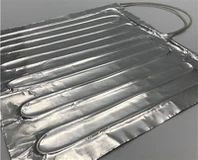
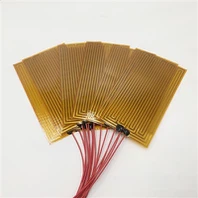
For carbon fiber heating tapes or mats, adhere them to the floor or walls of the terrarium. Ensure the tape is in a location that will provide adequate heat, usually beneath the substrate for reptiles or along the walls for heat-seeking species.
For optimal results, create a heat gradient (warm and cool areas) so reptiles can move between different temperature zones.
3. Adjusting the Temperature
Set Desired Temperature:Most carbon fiber heating tubes come with adjustable thermostats. Set the temperature to the recommended range for your aquarium or terrarium inhabitants:
Aquarium: Tropical fish generally thrive between 24°C to 28°C (75°F–82°F).
Terrarium: For reptiles, create a temperature gradient with a warm basking zone (30°C–35°C / 86°F–95°F) and a cooler area for resting.
Temperature Monitoring: Use an aquarium thermometer or a temperature gun to regularly check the temperature around the heating tube, especially in the first few days after setup. Adjust the heater if needed to maintain stability.

4. Maintenance and Safety
Regular Cleaning:
Clean the carbon fiber heating tube regularly to prevent algae or mineral buildup (especially in aquariums).
For aquarium use, clean the tube with a soft cloth or sponge. Avoid using harsh chemicals, as they may damage the heater or contaminate the tank.
For terrestrial use, wipe the surface of the tube with a damp cloth to remove dust or debris.
Check for Overheating: Many carbon fiber heaters have overheat protection. If you notice the temperature is too high or the heater feels excessively hot to the touch, it's best to turn it off and allow it to cool before checking the thermostat or settings.
Safety Check: Ensure the heater is installed securely and that no wires are exposed to water or humidity (for aquarium heaters). For terrariums, check that the heating tube doesn't directly touch surfaces that could become too hot and cause burns to animals.
5. Powering On
Initial Startup: Once installed, plug in the carbon fiber heating tube. Most models will have an indicator light to show when the heater is operating.
Thermostat Adjustment: Set the thermostat to the desired temperature range and allow the heater to stabilize for several hours or overnight.
Check Heating Progress: Monitor the temperature and adjust the thermostat if needed. Carbon fiber heaters heat up quickly, but it's always good to ensure the temperature is stable before adding fish or reptiles.
6. Troubleshooting
Uneven Heating: If you notice temperature inconsistencies, consider repositioning the heater or adding a second one if your aquarium or terrarium is large. Proper water circulation in aquariums is also important to ensure uniform heat distribution.
Heater Not Working: If the heater doesn't seem to be heating, ensure it's properly submerged (if submersible) or securely mounted (if surface-mounted). Check the power supply and thermostat settings.

By following these steps, you can ensure your carbon fiber heating tube provides effective, energy-efficient, and reliable heating for your aquarium or terrarium, promoting a healthy environment for your aquatic creatures or reptiles.