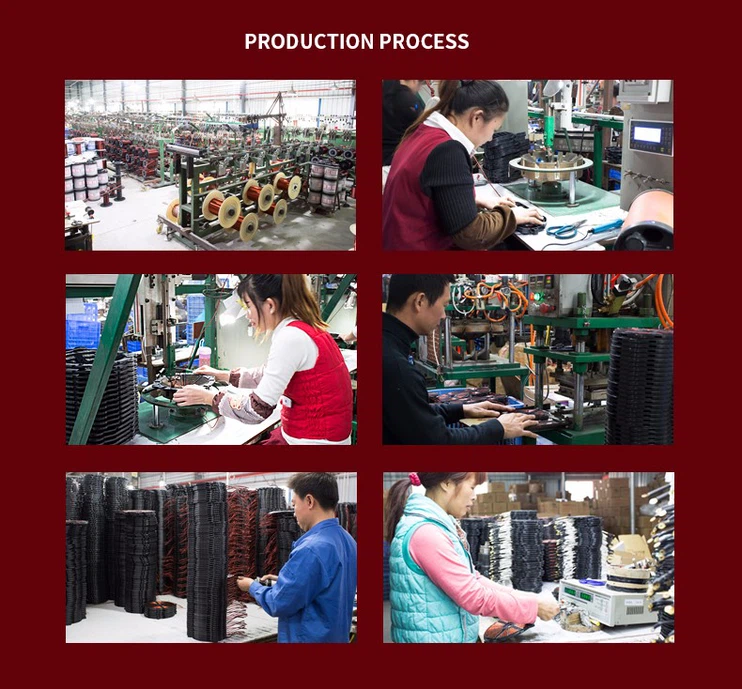
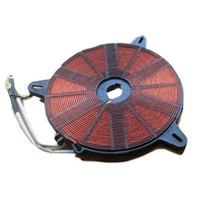
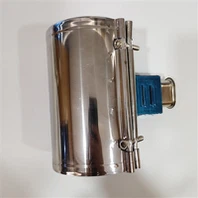
The manufacturing process of an induction cooker coil heater involves several steps to create the coils used in induction cooktops. Here's a general overview of the manufacturing process, and specific manufacturing processes and technologies can vary between different manufacturers.
1. Selection of Materials:
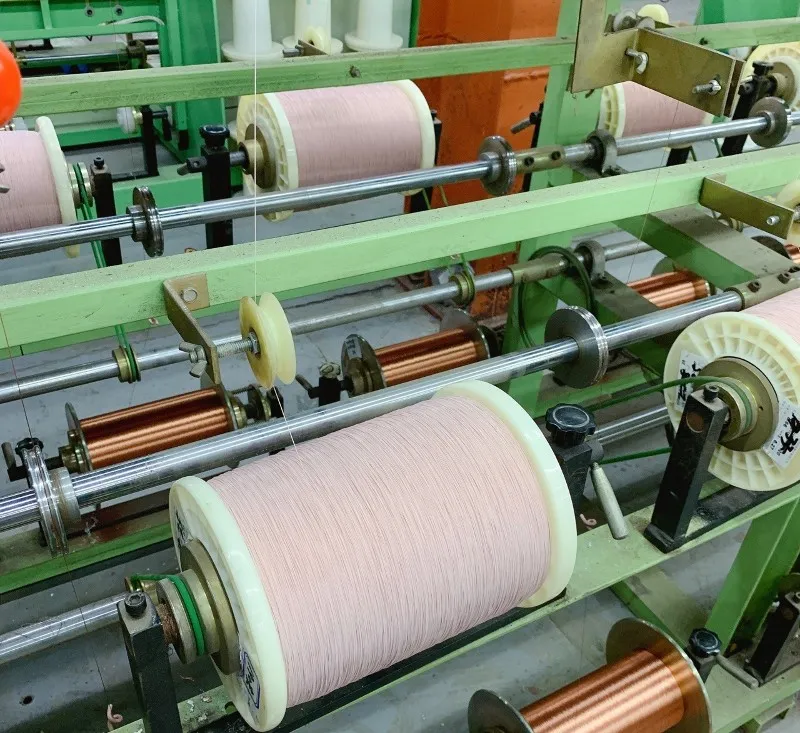
- Copper Wire: High-quality copper wire is selected as the primary material for the coil due to its excellent electrical conductivity.
- Insulation Material: The copper wire is often coated with a layer of insulating material to prevent short circuits and improve safety.
2. Coiling:
- The copper wire is wound into a specific coil shape. The design of the coil can vary based on the specific requirements of the induction cooker model.
- Precision machinery is often used to ensure uniform and tightly wound coils.
3. Insulation and Coating:
- The wound copper coils are insulated further, ensuring that there are no points where the electrical current might short circuit.
- Coils may be coated with materials to enhance their durability, resistance to wear, and ability to withstand high temperatures.
4. Quality Testing:
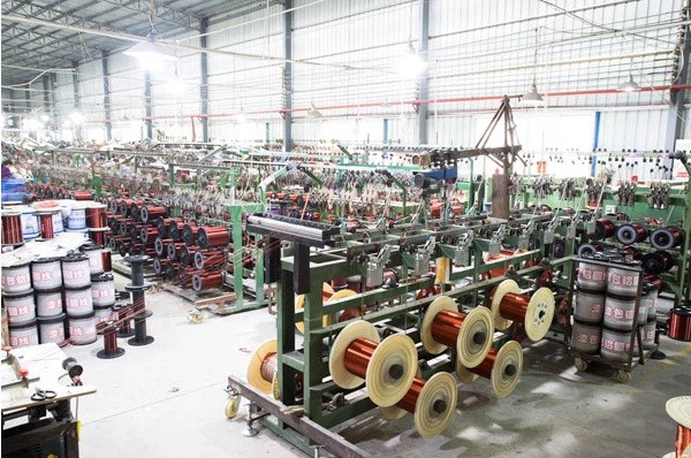
- Each coil undergoes rigorous testing to ensure that it meets quality standards. This testing can involve checking for electrical conductivity, insulation integrity, and durability under different conditions.
5. Final Assembly:
- The induction cookers go through final assembly, where all components are put together.
- Each unit undergoes quality assurance checks, including functional tests to ensure that the coils generate the necessary magnetic fields for efficient and safe induction cooking.
6. Packaging and Distribution:
- After passing all quality checks, the finished induction cookers are packaged for distribution.
- Proper packaging ensures that the product reaches customers in excellent condition, ready for use.