Oven heating tubes are the unsung heroes of modern kitchen appliances, powering everything from compact home ovens to industrial-scale baking systems. Their performance directly impacts energy consumption, cooking consistency, and equipment longevity. For kitchen equipment manufacturers, food service businesses, and appliance designers, understanding how to optimize heating tube utility is key to delivering superior results. Below, we explore actionable strategies to ensure your oven heating tubes operate at peak efficiency.
1. Material Selection: The Foundation of Durability
The choice of sheath material determines a heating tube's resistance to wear, corrosion, and thermal stress:
Stainless Steel (SS304/SS316): Ideal for general-purpose ovens exposed to moderate moisture.
Incoloy Alloys: Withstand extreme temperatures (up to 800°C), perfect for pizza ovens or industrial furnaces.
Titanium-Coated Tubes: Essential for high-salinity or acidic environments (e.g., seafood processing).
Pro Tip: Pair materials with magnesium oxide (MgO) insulation for rapid heat transfer and electrical safety.
2. Precision Engineering for Uniform Heat Distribution
Uneven heating leads to undercooked or burnt food. Optimize tube design by:
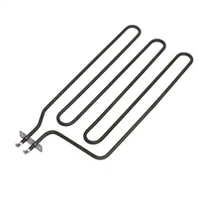
Customizing Shapes: U-shaped, corkscrew, or straight tubes to match oven cavity layouts.
Balancing Wattage Density: Higher wattage (e.g., 2500–3000W) for industrial roasting; lower wattage (500–1500W) for gentle baking.
Strategic Placement: Position tubes near fans or vents to enhance airflow and eliminate cold spots.
Case Study: A bakery chain reduced baking time by 18% by switching to zigzag-shaped tubes that evenly covered their rack ovens.
3. Electrical Compatibility: Matching Power to Purpose
Mismatched voltage or resistance can cause energy waste or premature failure:
Voltage Alignment: Use 220V/380V for heavy-duty ovens; 110V for portable or residential units.
Resistance Tolerance: Tubes with ±5% tolerance ensure stable heat output, critical for recipes requiring precise temperatures (e.g., pastry baking).
PID Controllers: Integrate with smart thermostats to dynamically adjust power based on real-time oven conditions.
4. Thermal Management: Preventing Overheating
Excessive heat degrades tubes and risks safety:
Auto-Shutoff Sensors: Install thermal fuses that cut power at unsafe temperatures.
Heat-Resistant Mounts: Use ceramic brackets or stainless steel flanges to minimize heat transfer to non-metallic parts.
Cool-Down Cycles: Program ovens to reduce power gradually, avoiding thermal shock to the tubes.
5. Maintenance Best Practices
Regular upkeep extends tube lifespan and sustains efficiency:
Monthly Cleaning: Remove grease or food debris using non-abrasive tools to prevent insulation breakdown.
Annual Resistance Testing: Check for resistance drift (±10% indicates wear).
Seal Integrity Checks: Replace cracked terminals or connectors to avoid moisture ingress.
6. Energy-Saving Innovations
Modern heating tubes can slash operational costs:
Dual-Zone Heating: Separate tubes for top/bottom heat reduce idle energy use.
Low-Wattage, High-Efficiency Designs: Nano-coated tubes achieve faster heat-up times with 20% less power.
Regenerative Heating Systems: Capture waste heat to preheat incoming air (common in conveyor ovens).