1. Design and Structure
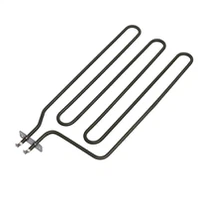
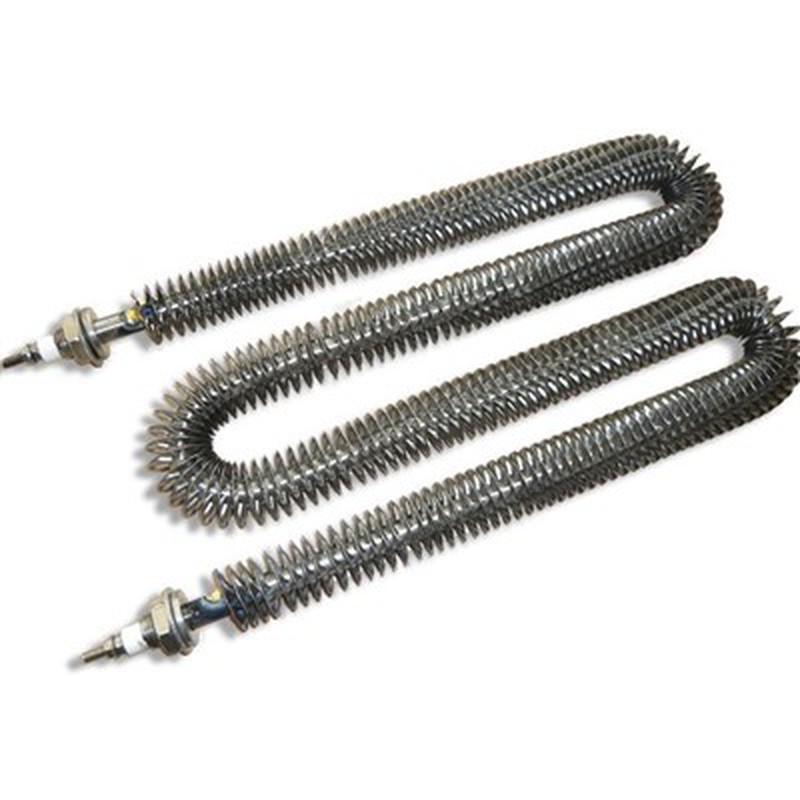
M-shaped tubular heater: The heating element is bent in an "M" shape to increase the surface area without occupying too much space.
Fins: Metal fins are attached along the heater. These increase heat transfer efficiency by allowing more heat to dissipate into the surrounding air.
Material: Usually made from stainless steel or Incoloy, which resists corrosion and high temperatures.

2. Heating Mechanism
Electric current flows through the resistance wire inside the tubular element.
The wire generates heat due to electrical resistance.
Heat is conducted through the tube and fins, spreading evenly to the surrounding air.
3. Airflow in Food Dehydrators
Fans or natural convection circulate hot air inside the dehydrator.
The M shape allows more even spacing of the heating surface, so the air gets uniform heat distribution.
Fins help maintain consistent temperatures, reducing cold spots and ensuring that all food pieces dehydrate evenly.
4. Advantages for Food Dehydration
Efficient heat transfer: Fins maximize heating surface, accelerating dehydration.
Compact design: M-shape provides more heating area in a limited space.
Uniform drying: Even airflow prevents over- or under-drying.
Energy-saving: Faster heating and better air circulation reduce electricity consumption.