Tubular immersion resistance heaters play a critical role in HVAC (Heating, Ventilation, and Air Conditioning) systems by providing efficient and controlled heating of fluids, such as water or air. These heaters work by converting electrical energy into heat, which is then transferred to the fluid within the HVAC system.
1. Structure and Design
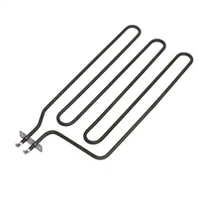
The tubular heater consists of a resistive heating element encased in a metal sheath, typically made from materials like stainless steel or copper. The heating element is insulated with magnesium oxide (MgO) or ceramic, ensuring electrical insulation and efficient heat transfer.
2. Immersion in HVAC Systems
In HVAC systems, the tubular immersion heater is submerged in the fluid, usually water or glycol, within a tank or pipe. The heater's direct contact with the fluid allows for rapid and efficient heat transfer. This ensures that the fluid is heated to the desired temperature, which is critical for maintaining indoor air quality and comfort.

3. Temperature Control and Efficiency
Temperature sensors and thermostats are often integrated with the heater to maintain precise temperature control, ensuring efficient operation of the HVAC system. The design of the tubular heater ensures uniform heating, preventing hotspots and ensuring consistent performance.
Conclusion
Tubular immersion resistance heaters provide reliable and efficient heating in HVAC systems, ensuring optimal temperature control and energy efficiency, essential for maintaining a comfortable indoor environment.