Hot plates in laboratory equipment are used to heat substances in a controlled manner. Here's how they generally work:
1. Structure and Components
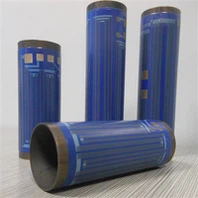
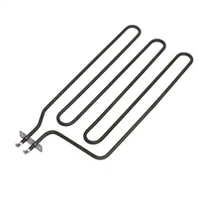
Heating Element: Hot plates have an embedded heating element, often made of materials like aluminum, ceramic, or stainless steel, which efficiently conducts heat.
Plate Surface: The surface of the hot plate is typically made from heat-resistant materials that can withstand high temperatures and are easy to clean.
Temperature Controls: Hot plates are equipped with temperature controls, which can include dials, digital displays, or touch screens, allowing precise temperature adjustments.
2. Heating Process
Power Supply: When the hot plate is turned on, electricity flows through the heating element.
Heat Generation: The electrical resistance in the heating element converts electrical energy into heat. This heat is then transferred to the surface of the hot plate.

3. Heat Transfer
Conduction: The heat generated by the heating element is conducted through the plate surface. The hot plate's surface transfers this heat to any container or substance placed on it.
Uniform Heating: A well-designed hot plate provides even heating across its surface to ensure consistent temperature distribution.
4. Temperature Control
Monitoring: Hot plates often have built-in temperature sensors or thermocouples that monitor the surface temperature.
Regulation: The temperature controls adjust the power supplied to the heating element based on the readings from the temperature sensors. This helps maintain a steady and precise temperature.
5. Safety Features
Overheat Protection: Many hot plates have overheat protection mechanisms that shut off the heating element if it exceeds a certain temperature.
Insulation: Good hot plates have insulation to protect users from burns and to ensure the heat is directed towards the plate surface rather than dissipating into the surrounding environment.
6. Maintenance and Usage
Cleaning: Regular cleaning of the hot plate surface is important to remove any residues or spills, which can affect performance and safety.
Inspection: Regularly check the hot plate for signs of wear or malfunction, such as inconsistent heating or visible damage.
Applications
Heating Liquids: Hot plates are commonly used to heat liquids in laboratory beakers, flasks, or other containers.
Synthesis and Reactions: They are used in chemical synthesis, sample preparation, and other reactions that require precise temperature control.