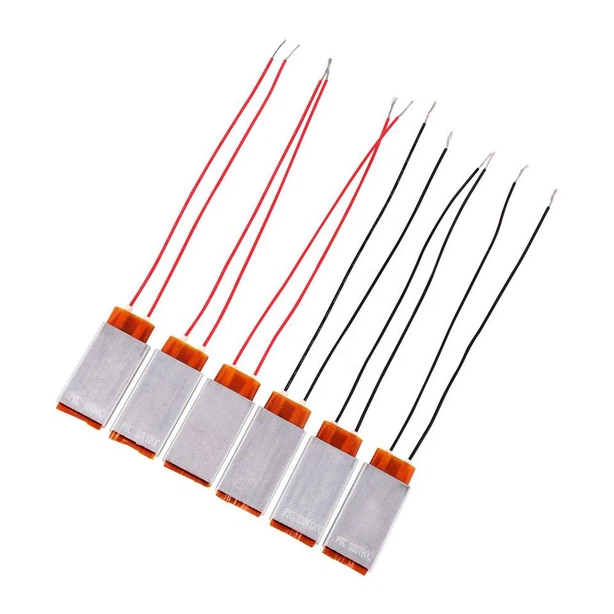
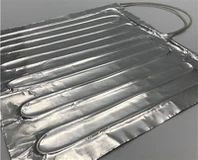
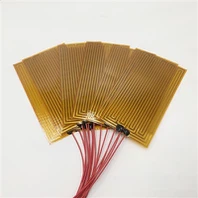
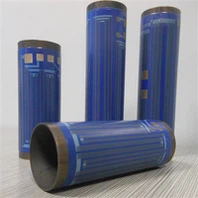
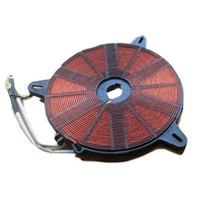
The self-regulating feature of PTC (Positive Temperature Coefficient) heaters is a unique characteristic that sets them apart from traditional heating elements. Here's an explanation:
1. Positive Temperature Coefficient (PTC): PTC refers to the property of certain materials where their electrical resistance increases with an increase in temperature. In the context of PTC heaters, these heaters are typically made using ceramics or polymers with PTC characteristics.
2. Self-Regulating Mechanism: The self-regulating feature stems from the PTC effect. When a PTC heater is connected to a power source and starts heating, its resistance also increases as the temperature rises. This increase in resistance naturally limits the amount of current flowing through the heater.
3. Temperature Stability: As the resistance of the PTC heater increases, the power it draws from the electrical supply decreases. This results in a self-regulating mechanism, where the heater's temperature stabilizes at a certain point. When the ambient temperature is low, the resistance is lower, allowing more current to flow and providing higher heat output. As the temperature increases, the resistance rises, reducing the current and limiting the heat output.
4. Energy Efficiency: The self-regulating feature contributes to energy efficiency because the PTC heater adjusts its power consumption based on the surrounding temperature. It prevents overheating and eliminates the need for additional temperature control devices in many applications.
5. Safety: The self-regulating nature of PTC heaters also enhances safety. Since they inherently limit their own temperature, the risk of overheating and causing damage is reduced. This makes PTC heaters suitable for a wide range of applications where precise and stable temperature control is required.
In summary, the self-regulating feature of PTC heaters ensures that they automatically adjust their power output based on the ambient temperature, providing efficient and safe heating in various applications.