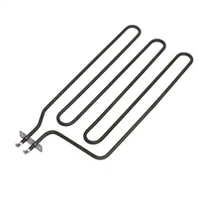
A lower electric heating tube in an electric oven works by converting electrical energy into heat. Here's a breakdown of the process:
Electric Current: When the oven is turned on, electrical current flows through the heating tube, which is typically made of a resistive material such as metal alloys like nichrome.
Resistive Heating: As the electric current passes through the resistive material, the resistance of the material causes it to heat up. This phenomenon is known as Joule heating. The resistive material is designed to have high resistance, so it heats up quickly when electricity flows through it.

Heat Radiation: The heated tube radiates heat to the surrounding air inside the oven. This heat is transferred to the food in the oven, cooking it. In a lower heating tube setup, this heat tends to be concentrated at the bottom of the oven, providing direct heat to the food.
Thermostat Control: Most ovens have a thermostat that regulates the temperature. The thermostat senses the temperature inside the oven and cuts off or allows the flow of electricity to the heating tube to maintain the desired temperature.

Efficient Heat Distribution: The lower heating tube often works in conjunction with an upper heating element to provide even heat distribution throughout the oven, allowing for consistent cooking results.
In summary, the lower electric heating tube in an electric oven converts electrical energy into heat, radiates it into the oven space, and helps cook the food efficiently while being controlled by the oven's thermostat.