Swage-in cartridge heaters are a popular choice for engine block heating because of their ability to provide efficient and uniform heat. Here's how they work:
Design and Installation: Swage-in cartridge heaters are designed with a metal sheath that can be swaged (compressed) into a cavity or bore inside an engine block. This process ensures a tight fit and excellent thermal contact, which is crucial for efficient heat transfer. The sheath is typically made of stainless steel, providing durability and resistance to corrosion.

Heating Element: Inside the swage-in cartridge heater, there is a resistance wire (usually made of nickel-chromium or other alloys) that generates heat when an electrical current passes through it. The wire is surrounded by a high-performance insulation material that helps to direct the heat efficiently outward.
Heat Transfer: The heater's metal sheath conducts heat directly into the engine block, which is typically made of aluminum or cast iron. The tight contact between the heater and the block ensures that the heat is evenly distributed across the surface.
Temperature Control: A temperature control device (like a thermostat or thermocouple) can be integrated with the heater to regulate the engine block temperature. This helps prevent overheating and ensures the engine reaches the ideal operating temperature before starting.
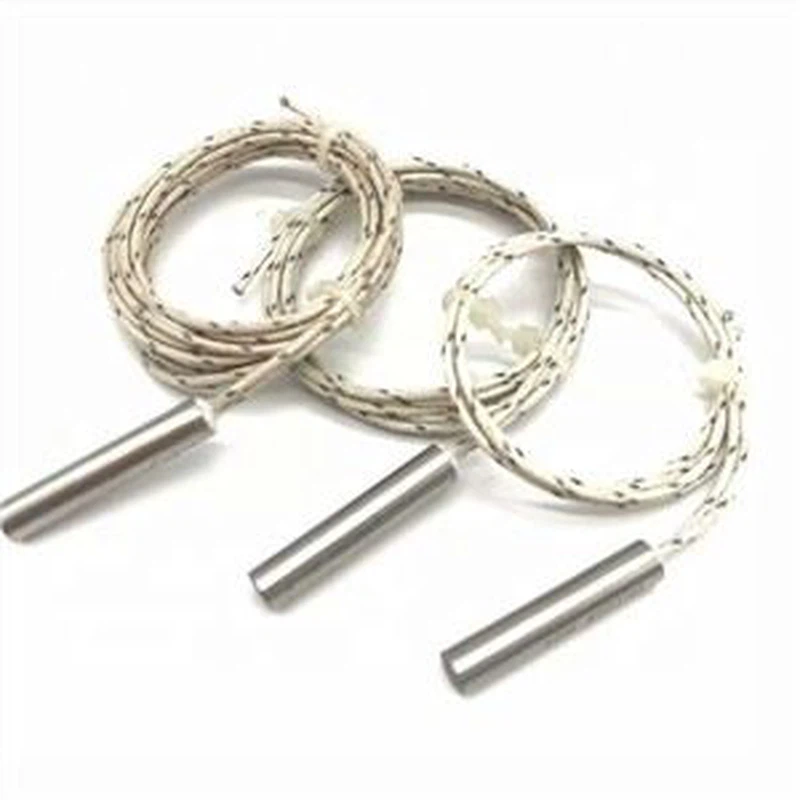
Applications: Swage-in cartridge heaters are especially useful in environments where quick engine starts are critical, such as in cold climates or for machinery that requires consistent performance. They are often used to pre-warm the engine block, reducing wear and tear on the engine and improving fuel efficiency.
Overall, swage-in cartridge heaters provide reliable and efficient heating for engine blocks, ensuring optimal performance and longevity.