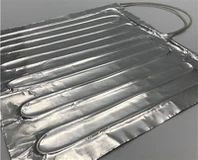
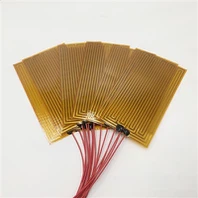
Silicone heaters are like the unsung heroes of thermal engineering-crafted to thrive in conditions that would make most materials buckle. Their ability to endure temperatures from -50°C to 200°C without cracking, warping, or losing efficiency boils down to a blend of smart material science and thoughtful design. Let's peel back the layers:
1. The Magic of Silicone Rubber
At their core, these heaters are built using silicone rubber, a material that's inherently tough yet flexible. Silicone's molecular structure-a backbone of silicon and oxygen atoms-grants it exceptional thermal stability. Unlike plastics that turn brittle in deep freezes or rubbers that degrade under heat, silicone remains pliable in subzero temps and refuses to oxidize or harden even when cranked to 200°C. It's like a yoga master that bends but never breaks.
2. Reinforced with Muscle
Raw silicone alone isn't enough. To handle extreme swings, manufacturers lace the rubber with fiberglass or ceramic fibers. These act like a skeleton, adding tensile strength and preventing the heater from stretching or tearing as it expands and contracts with temperature shifts. Imagine a winter coat lined with Kevlar-it's soft on the outside but armored underneath.
3. Heating Elements That Play Nice
Embedded within the silicone are nickel or copper alloy heating wires (or etched foil circuits). These metals are chosen for their low thermal expansion rates and resistance to oxidation. Even when glowing at 200°C, they won't corrode or "burn out" because the silicone encases them like a protective blanket, shielding them from moisture, chemicals, and air. It's a symbiotic relationship: the metal heats, the silicone protects.
4. Built to Flex, Not Fight
Extreme cold (-50°C) can make rigid materials snap, but silicone heaters stay supple. Their flexibility lets them absorb mechanical stress caused by thermal cycling-expanding when hot, contracting when cold-without developing micro-cracks. Think of them as accordions, harmonizing with temperature changes rather than resisting them.
5. Precision Bonding
The secret sauce? How the silicone bonds to the heating elements during vulcanization. This high-pressure, high-temperature process fuses the materials at a molecular level, creating a seamless interface. No gaps mean no delamination, even when the heater is subjected to repeated freeze-thaw cycles or rapid heating.
6. Real-World Testing
These heaters aren't just lab curiosities-they're battle-tested. In industrial freezers, they cling to cold metal surfaces without losing adhesion. In sterilization chambers, they shrug off 200°C steam. Manufacturers often subject them to thousands of thermal cycles to ensure they won't fail when it matters most, like in pharmaceutical freeze-drying or aerospace applications.
Why It Matters
For industries where temperature precision is non-negotiable (think vaccine storage, food processing, or semiconductor manufacturing), silicone heaters are a reliability workhorse. They don't just "survive" extremes-they perform consistently, quietly, and without drama. It's a testament to how blending the right materials with clever engineering can create something that feels almost… alive in its resilience.