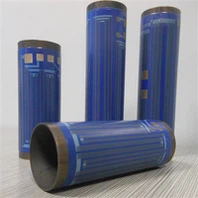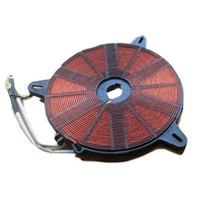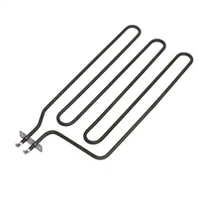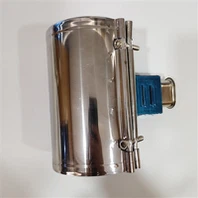
Flat micanite heaters encased in sheet metal are used in printed circuit board (PCB) manufacturing, specifically in the Hot Air Leveling (HAL) tinning process, to provide consistent and controlled heating. The HAL process involves applying a layer of solder to the copper pads of a PCB to ensure good solderability for component placement.
Here's how these heaters are typically used:
Heating the Hot Air: The micanite heater is used to heat the air in the HAL tinning machine to a precise temperature, typically around 250°C to 270°C. This heated air helps in leveling the molten solder on the PCB and ensures a uniform coating.
Even Heat Distribution: The flat micanite heater, encased in sheet metal, offers a reliable, even heat source that maintains uniformity across the board. This is essential for ensuring consistent soldering quality and preventing defects like uneven solder application or cold solder joints.

Durability and Efficiency: The sheet metal casing provides protection to the micanite heater, enhancing its lifespan while ensuring efficient heat transfer. The material can withstand high temperatures and harsh conditions within the HAL machine.
Compact and Space-Efficient: These heaters are typically compact, which helps optimize space in the HAL tinning machine. Their flat design fits well in confined spaces, ensuring they don't interfere with the machine's other components.
Precise Temperature Control: Flat micanite heaters are often used in conjunction with temperature control systems that ensure the heat is regulated carefully. This precision is vital for the HAL process, as too high or too low a temperature can lead to poor tinning results or damage to the PCB.
In summary, flat micanite heaters encased in sheet metal are crucial for providing controlled, efficient, and even heating in the HAL tinning process, ensuring high-quality PCB production.