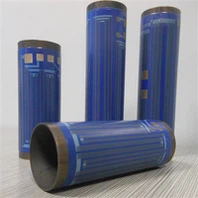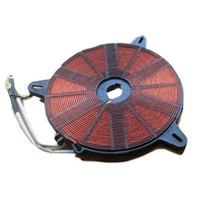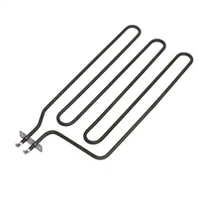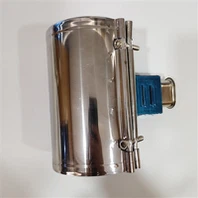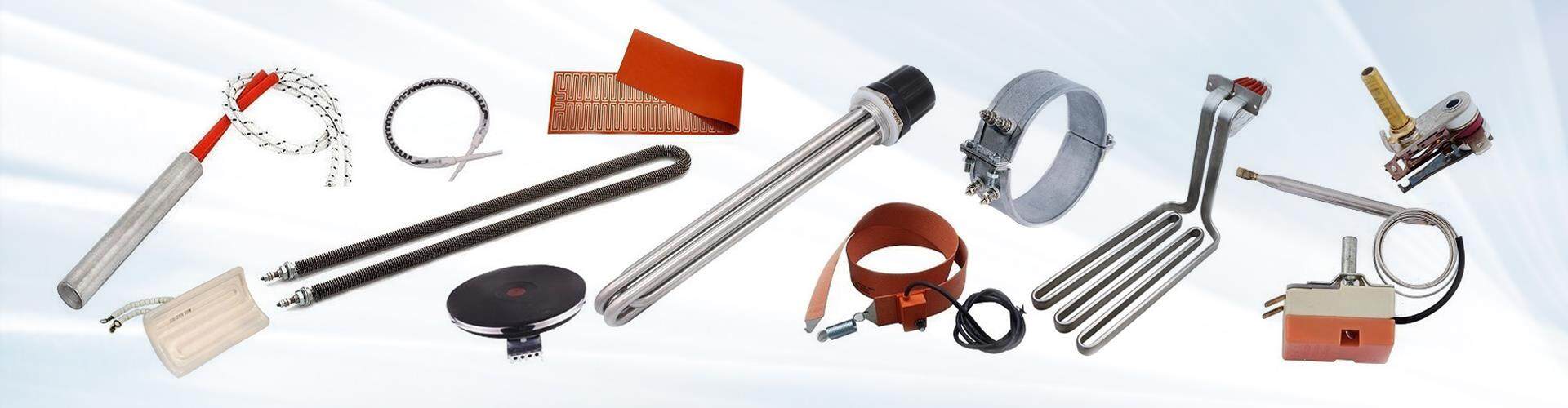
Casting Aluminum Hot Plates are commonly used in water boilers due to their excellent thermal conductivity, lightweight design, and durability. They operate by efficiently converting electrical energy into heat to heat water. Here's how they work:
1. Electrical Current is Applied
The hot plate has an electric heating element (usually embedded in the aluminum structure).
When you turn on the water boiler, electrical energy flows into the heating element through a power supply.
2. Heat Transfer through Aluminum
Aluminum has high thermal conductivity, meaning it transfers heat very quickly and evenly across its surface.
The electrical energy heats the embedded heating element, which transfers this heat to the aluminum hot plate.

3. Conduction to Water
The aluminum hot plate is in direct contact with the water container (or boiler).
The heat from the hot plate is transferred to the water via thermal conduction, warming the water efficiently.
4. Uniform Heat Distribution
The casting process ensures that the aluminum hot plate has a uniform structure, promoting even heat distribution across its entire surface.
This prevents uneven heating of water, improving efficiency and consistency.
5. Thermal Control Mechanism
A thermostat or a temperature sensor is often integrated into water boilers. It monitors the water temperature and regulates power to maintain a desired temperature, preventing overheating.

Advantages of Using Casting Aluminum Hot Plates in Water Boilers
Fast Heating: Due to aluminum's high thermal conductivity.
Durability: Resistant to corrosion and long-lasting.
Energy Efficiency: Even heat distribution reduces wasted energy.
Lightweight: Easy to install and integrate into various designs.
Fast Response: React quickly to changes in power or temperature adjustments.