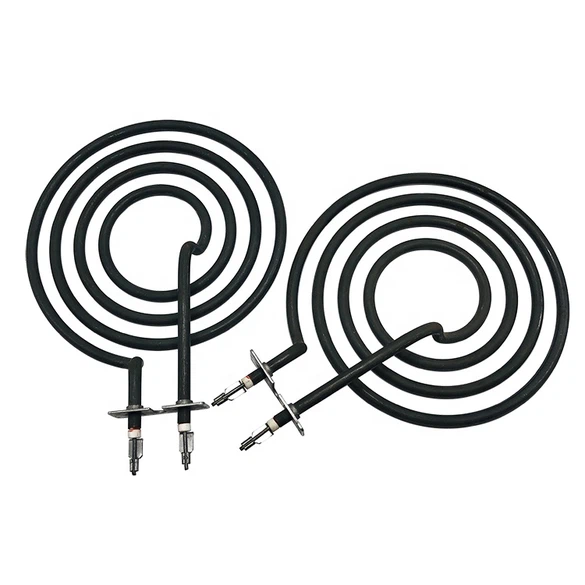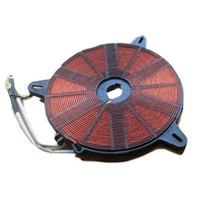
Electric Burner Coil Elements resist corrosion and wear through the following strategies:
1. Use of Corrosion-Resistant Materials
Nichrome Wire: The alloy of nickel and chromium is highly resistant to oxidation, which reduces the risk of corrosion at high temperatures.
Stainless Steel Sheath: Often used for the outer casing, stainless steel is resistant to rust, oxidation, and other forms of corrosion caused by moisture or chemical exposure.
2. Protective Coatings
Applying anti-corrosion coatings to the coil or the sheath, such as a layer of enamel or specialized rust-resistant finishes, helps prevent moisture and contaminants from reaching the surface.
3. Proper Insulation
Magnesium Oxide (MgO) insulation inside the coil not only provides efficient heat transfer but also acts as a barrier to moisture, preventing it from coming into contact with the coil.
4. Durable Manufacturing Processes
Heat Treatment: Using heat treatment processes on materials to improve their resistance to wear and tear over time, ensuring they maintain their structural integrity even after prolonged use.
Consistent Coil Winding: Properly wound coils with uniform tension reduce the risk of mechanical stress, preventing premature wear due to uneven heating or handling.
5. Maintenance and Usage Recommendations
Cleaning: Regular cleaning to prevent food residue and moisture buildup, which can cause corrosion.
Avoiding Overheating: Operating the burner within the recommended temperature and wattage range to prevent excessive wear due to heat cycling.
By using high-quality materials, protective coatings, and ensuring proper maintenance, Electric Burner Coil Elements can effectively resist corrosion and wear over time.