Certainly! The primary difference between a traditional electric water heater and a heat pump water heater lies in their mechanisms for heating water and, consequently, their energy consumption and cost-effectiveness. Here's a breakdown of the key distinctions:
1. Heating Mechanism:
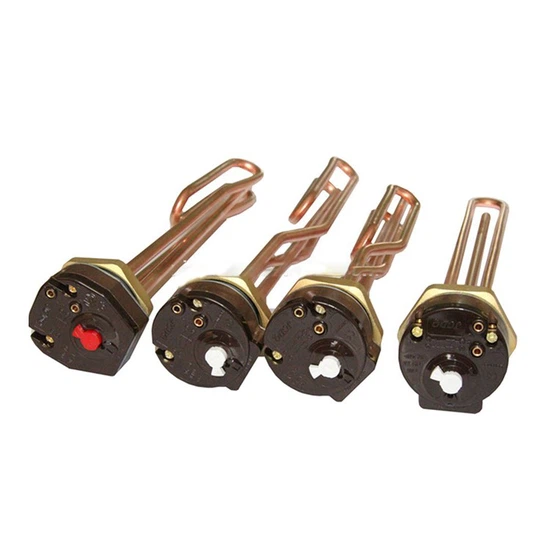
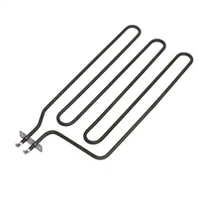
Traditional Electric Water Heater:** These heaters use electric resistance elements (similar to large coils) to heat the water inside the tank. The resistance elements convert electrical energy directly into heat.
Heat Pump Water Heater: Heat pump water heaters operate by moving heat from the surrounding air or ground to heat the water. Instead of generating heat directly, they use electricity to power a compressor and a fan, transferring ambient heat to the water.
2. Energy Efficiency:
Traditional Electric Water Heater: Electric resistance heating is 100% efficient at converting electricity into heat. However, these systems are generally less efficient because they generate heat directly and may lose some heat during the process.
Heat Pump Water Heater: Heat pumps can be much more energy-efficient because they move heat rather than generating it. They can extract heat from the air or ground, making them particularly efficient in moderate climates. Heat pumps typically have a higher coefficient of performance (COP), meaning they can produce more heating or cooling energy per unit of electricity consumed.
3. Energy Consumption:
Traditional Electric Water Heater: Generally, traditional electric water heaters have higher energy consumption compared to heat pump water heaters. This is because they rely on resistance heating, which is less efficient in converting electrical energy to heat.
Heat Pump Water Heater:** Heat pump water heaters can be two to three times more energy-efficient than traditional electric heaters. They move existing heat rather than generating it, which can result in significant energy savings.
4. Cost-Effectiveness:
Traditional Electric Water Heater: While traditional electric water heaters tend to have lower upfront costs, they may be more expensive to operate in the long run due to higher energy consumption.
Heat Pump Water Heater: Heat pump water heaters usually have higher upfront costs but can be more cost-effective over time, especially in regions with moderate climates where they can efficiently extract heat from the air.
5. Climate Considerations:
Traditional Electric Water Heater: These heaters are not significantly impacted by ambient temperature and can work consistently regardless of the climate.
Heat Pump Water Heater:The efficiency of heat pump water heaters may be influenced by the surrounding air or ground temperature. They tend to perform best in moderate climates and may experience reduced efficiency in extremely cold environments.
6. Space Requirements:
Traditional Electric Water Heater: These heaters are generally more compact and have fewer installation requirements.
Heat Pump Water Heater: Heat pump water heaters may require more space and consideration for proper ventilation since they extract heat from the surrounding air.
When deciding between a traditional electric water heater and a heat pump water heater, it's essential to consider factors such as upfront costs, energy efficiency, climate, and long-term operating expenses. While heat pump water heaters are often more energy-efficient, their effectiveness can depend on the specific conditions of your location and installation. Consulting with a professional and considering the total cost of ownership over the lifespan of the appliance can help you make an informed decision based on your needs and circumstances.