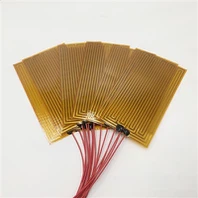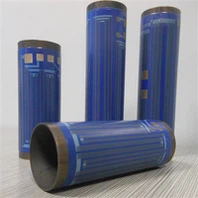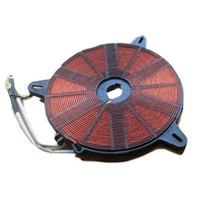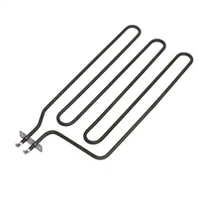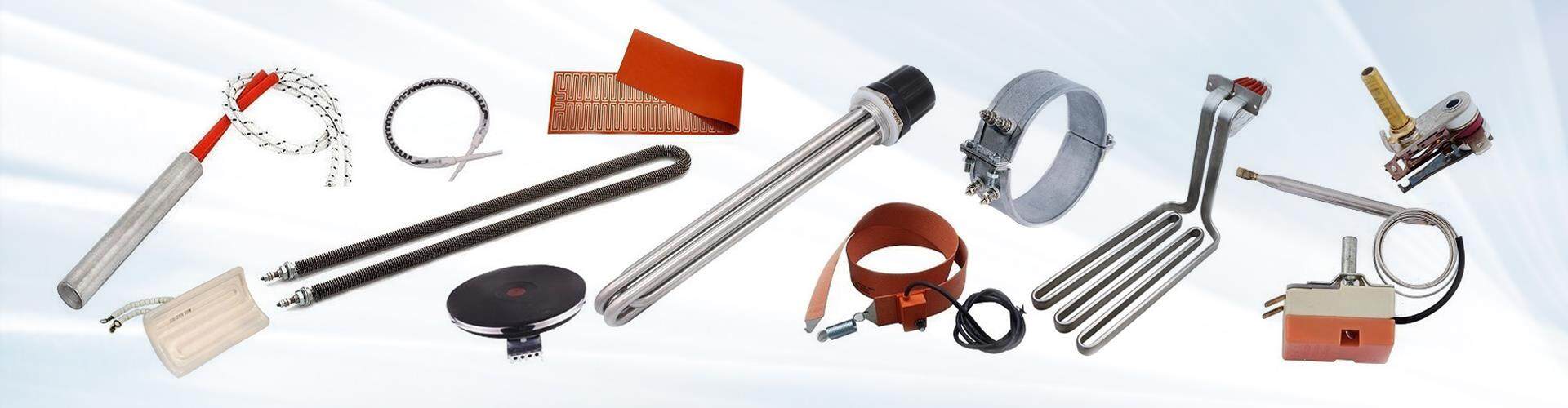
Mica heating elements are commonly used in various electrical appliances for their excellent thermal and electrical insulation properties. These elements are made by sandwiching a resistive wire or ribbon between layers of mica, a naturally occurring mineral known for its high thermal stability and electrical insulating properties. Here's a breakdown of the composition and structure of Mica heating elements:
1. Mica Sheets:
Mica is a mineral that occurs in the form of thin, transparent sheets or flakes. These sheets are used as the base material for mica heating elements due to their ability to withstand high temperatures and provide good electrical insulation. Mica sheets are often carefully processed and layered to form a stable base for the heating element.
2. Resistive Wire/Ribbon:
A resistive wire or ribbon made of materials like nichrome (nickel-chromium alloy) is wound or placed on the mica sheets. Nichrome is a common choice because it has high electrical resistance, excellent heat resistance, and good mechanical properties. The resistive wire is the component that generates heat when an electric current passes through it.
3. Insulating Layers:
Additional layers of mica or other insulating materials might be added on top and below the resistive wire to provide further insulation and to encapsulate the heating element. These insulating layers ensure that the heat generated by the resistive wire is directed outward, away from the internal components of the appliance.
4. Terminal Connectors:
At the ends of the heating element, terminal connectors are attached to provide electrical connections. These connectors allow the electric current to flow through the resistive wire, generating heat in the process. The type of connector used can vary based on the specific application and design requirements.
5. Protective Covering (Optional):
In some applications, a protective covering made of metal or other materials might be added to the outer surface of the mica heating element. This covering offers protection against mechanical damage and enhances the overall durability of the element.
In summary, a typical mica heating element consists of layers of mica sheets with a resistive wire sandwiched in between. These elements are designed to withstand high temperatures, provide excellent electrical insulation, and efficiently generate heat for various appliances and industrial applications. The specific design and composition can vary based on the intended use of the heating element.