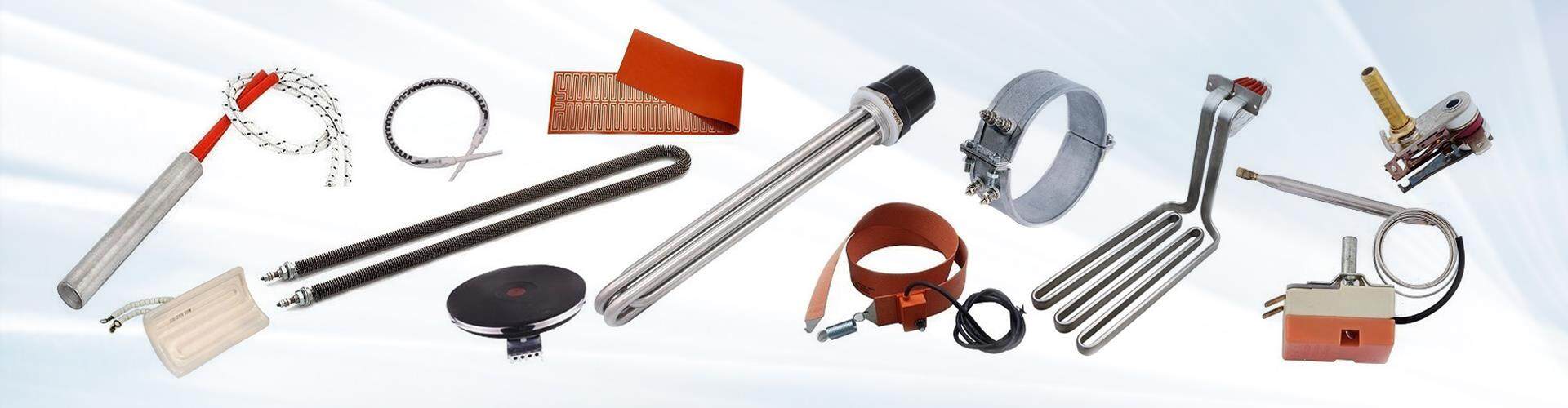
KSD thermostats (also known as snap-disc thermostats) are commonly used in appliances and HVAC systems, but their suitability for automotive heating systems depends on several factors:

Pros of KSD Thermostats in Automotive Heating:
Simple & Reliable – They operate mechanically (no electronics), making them durable against vibrations and electrical interference.
Cost-Effective – Generally cheaper than electronic thermostats.
Fast Response – The snap-action mechanism quickly opens/closes circuits at set temperatures.
Overheat Protection – Useful for auxiliary heating elements or fan control to prevent overheating.
Potential Challenges:
Temperature Accuracy & Hysteresis – KSD thermostats have a fixed activation point and may not be as precise as automotive-grade electronic thermostats.
Limited Adjustability – Most KSD thermostats are fixed-temperature (e.g., 50°C, 70°C, etc.), whereas automotive systems often need dynamic control.
Durability in Harsh Conditions – While robust, prolonged exposure to extreme automotive environments (moisture, oil, constant cycling) may reduce lifespan.
Voltage/Current Ratings – Must match the automotive system's electrical load (e.g., blower motors or heating elements).
Best Applications in Automotive Use:
Auxiliary Heater Control (e.g., seat heaters, cabin air heaters).
Fan Control (activating cooling fans at a set temperature).
Safety Cutoff (preventing overheating in aftermarket heating devices).
Alternatives for Automotive Use:
Electronic Thermostats (PWM-controlled for precision).
NTC/PTC Sensors + ECU Control (used in modern vehicles for HVAC systems).