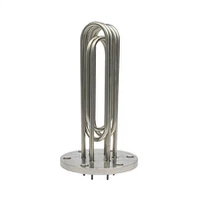
How to use PTC Heating Element in Automotive Industry
- Oct 31, 2024-
1. Electric Vehicle (EV) Battery Heating
- Battery Warming: Integrate PTC elements within battery packs to maintain an optimal operating temperature, especially in cold weather. This prevents battery performance degradation and extends battery life.
- Placement and Insulation: PTC heaters should be strategically placed around battery cells to ensure even heat distribution, with insulation to prevent heat loss and maximize efficiency.
- Self-Regulation for Safe Heating: PTC elements inherently limit their maximum temperature, reducing the need for separate temperature controls and ensuring safety in the battery pack.
2. Cabin Air Heaters in EVs
- Efficient Interior Heating: EVs lack an internal combustion engine, which traditionally supplies cabin heat. PTC heaters can be used to provide fast and efficient cabin heating by warming the air directly.
- Integrated Airflow Design: Position the PTC element in the HVAC (Heating, Ventilation, and Air Conditioning) unit to heat air as it passes through, often alongside a fan to distribute warm air evenly.
- Energy Efficiency and Temperature Control: PTC heaters consume less power as they reach higher temperatures, contributing to efficient battery use in EVs while providing consistent, comfortable warmth.
3. Seat Heaters and Steering Wheel Warmers
- Embedded Heating Elements: PTC elements can be embedded in seat cushions or under the steering wheel's surface, providing localized warmth to enhance driver and passenger comfort.
- Safe Temperature Limiting: Since PTC heaters naturally regulate their temperature, they don't require additional thermostats, allowing for a simple, reliable system that avoids overheating.
- Low Voltage Operation: PTC heating elements can operate safely on the vehicle's low-voltage DC system, making them ideal for automotive applications with minimal electrical strain.
4. Windshield Defoggers and Defrosters
- Placement Under or Near Glass: PTC heaters are installed at the base of the windshield or embedded within defroster vents. This helps clear fog or frost quickly by directing warm air onto the glass.
- Self-Regulating Heat Output: The self-regulating nature of PTC heaters allows them to prevent excessive heat on the windshield, which minimizes the risk of cracking or damaging the glass.
- Energy Efficiency: As the PTC heater reaches a certain temperature, its power draw decreases, reducing energy use once the windshield is sufficiently warm.

5. Battery Thermal Management in Hybrid Vehicles
- Battery Pack Warming and Cooling: Hybrid vehicles benefit from PTC heating elements to maintain battery temperature, ensuring consistent performance across various environmental conditions.
- Embedded Heating for Cold Climates: PTC heaters within the battery pack can activate in cold conditions to keep the battery in the optimal temperature range, improving performance and longevity.
- Compact and Low Maintenance: PTC elements are compact and require minimal maintenance, making them well-suited for closed environments like battery packs where space is limited.
6. Exhaust Gas Heating for Emission Reduction
- Pre-heating Exhaust Gases: PTC heaters are used to pre-heat exhaust gases, which helps in reducing emissions by ensuring optimal catalytic converter performance.
- Quick Heating on Start-Up: During cold starts, PTC heaters can quickly warm the exhaust gases, enabling the catalytic converter to reach its effective temperature sooner, reducing harmful emissions.
- Controlled Heating with Minimal Power Draw: PTC heaters operate efficiently with minimal power consumption, which is especially beneficial in vehicles equipped with start-stop technology.
7. Engine Coolant Pre-heating
- Cold Start Assistance: In colder climates, PTC heaters can warm up the engine coolant, which helps reduce wear during cold starts by ensuring the engine oil flows smoothly.
- Enhanced Passenger Comfort: By pre-warming the coolant, the engine reaches an ideal operating temperature faster, enabling the cabin heater to produce warm air sooner.
- Simple Installation: PTC heaters can be integrated into the coolant circuit and operate automatically, as they regulate their own temperature, requiring minimal control circuitry.
8. Mirror Defogging and Defrosting
- Integrated PTC Film on Mirror Surface: PTC heating elements can be applied as thin films on side mirrors to prevent fogging or icing in cold weather.
- Safe Operation with Self-Limiting Heat: The PTC element self-regulates, avoiding excessive heat buildup, which can damage mirrors or plastic components.
- Automatic and Low Maintenance: PTC elements are low-maintenance and can be triggered by the vehicle's defrost function, requiring minimal upkeep.

Related Industry Knowledge