Introduction

Immersion heaters serve as essential water heating solutions in residential settings, particularly where central heating systems are unavailable or as supplementary hot water sources. These devices function by utilizing electric heating elements submerged directly in water tanks to generate heat efficiently. Proper operation is paramount not only for optimal performance but also for user safety. This guide provides comprehensive instructions on activating immersion heaters correctly, addressing common operational challenges, and outlining essential maintenance practices.
Understanding Immersion Heater Components
Core Components Overview
Immersion heaters consist of several critical elements that work together to heat water effectively:
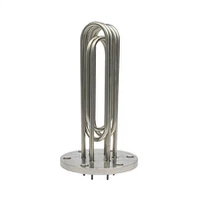
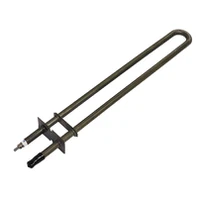
- Heating Element: The primary component responsible for heat generation, typically constructed from metal alloys that convert electrical energy into thermal energy when submerged in water.
- Temperature Control System: A thermostat mechanism that automatically regulates water temperature by cycling the heating element on and off to maintain preset levels, ensuring energy efficiency and preventing overheating.
- Power Control Switches: Dual switching system comprising an isolation switch for complete power cutoff and an operational switch for daily use, providing layered safety protection.
- Water Containment Unit: The storage tank that holds water to be heated, available in various sizes and materials to accommodate different household needs.
System Variations
Immersion heaters come in two primary configurations:
- Single-Element Systems: Feature one heating element positioned either at the top or bottom of the tank, offering straightforward operation suitable for most residential applications.
- Dual-Element Systems: Incorporate both top and bottom heating elements with independent controls, providing flexibility for quick heating or full-tank operation depending on hot water requirements.
Pre-Operation Safety Checklist
Before activating your immersion heater, complete these essential safety verifications:
- Electrical Safety Verification: Ensure hands are completely dry before handling any switches or electrical components to prevent electric shock hazards.
- Component Inspection: Thoroughly examine all visible components including power cables, switches, and the heater unit for signs of damage such as frayed wiring, cracks, or corrosion. Any detected damage requires professional attention before operation.
- Water Level Confirmation: Verify that the water tank contains sufficient water to completely submerge the heating element. Operating the heater without adequate water coverage can cause element burnout and create fire risks.
- Clearance Maintenance: Maintain adequate space around the heater and water tank, keeping flammable materials like curtains, towels, or cleaning products at a safe distance to prevent fire hazards.
Troubleshooting Common Operational Issues
No Power or Indicator Light
- Circuit Breaker Verification: Check the dedicated circuit breaker in the electrical panel labeled "Immersion Heater" or "Hot Water." Reset if tripped, but if immediate retripping occurs, consult an electrician.
- Switch Functionality: Test isolation and operational switches for proper function. Faulty switches may require professional replacement.
- Power Supply Confirmation: Verify general power availability in the residence by checking other electrical appliances.
Inadequate Heating Performance
- Water Level Reassessment: Ensure the tank contains sufficient water to submerge the heating element completely.
- Element and Thermostat Diagnostics: Suspect faulty heating elements or malfunctioning thermostats if water fails to heat despite power confirmation. Professional inspection recommended.
- Element Selection Verification: For dual-element systems, confirm correct element activation based on heating requirements.
Unusual Operational Noises
- Limescale Accumulation: Popping or crackling sounds often indicate limescale buildup on heating elements, requiring professional descaling services.
- Component Looseness: Buzzing or rattling may signal loose internal components necessitating professional tightening.
Water Leakage Concerns
- Fitting Security: Check for loose connections between the heater and tank, requiring immediate attention to prevent water damage.
- Gasket Integrity: Worn or damaged gaskets can cause leaks and require replacement by qualified technicians.
- Tank Integrity: Cracks in the water tank represent serious issues requiring immediate professional intervention and potential tank replacement.
Essential Maintenance Practices
Regular Descaling Procedures
Schedule professional descaling services every 1-2 years, or more frequently in hard water areas, to prevent limescale buildup that reduces heating efficiency and risks element damage.
Thermostat Calibration
Periodically verify thermostat accuracy by comparing set temperatures with actual water temperatures using a thermometer. Significant discrepancies may indicate calibration needs or component replacement.
Component Inspection Routine
Conduct quarterly visual inspections of power cables, switches, and connections for signs of wear, damage, or corrosion. Address any concerns promptly with professional assistance.
Annual System Flushing
Perform comprehensive tank draining and flushing annually to remove sediment accumulation that can impair heating performance and system longevity.
Timely Component Replacement
Replace worn or damaged components including heating elements, gaskets, and switches as needed to maintain system efficiency and safety standards.
Critical Safety Reminders
- Dry Operation Prohibition: Never activate the immersion heater without confirming adequate water levels in the tank.
- Electrical Safety: Avoid contact with switches or components with wet hands to prevent electric shock hazards.
- Professional Intervention: Refrain from attempting repairs or component replacements unless qualified as an electrician or heating technician.
- Emergency Response: Immediately deactivate the system and contact emergency services if smoke, burning smells, or significant water leaks occur during operation.
- Manufacturer Compliance: Always adhere to specific operational and maintenance guidelines provided by the equipment manufacturer for your particular model.
Conclusion
Proper immersion heater operation combines systematic activation procedures with consistent maintenance practices to ensure reliable hot water supply while prioritizing user safety. By understanding system components, following step-by-step activation protocols, addressing common issues promptly, and maintaining regular service schedules, homeowners can maximize the performance and lifespan of their immersion heating systems. Always consult qualified professionals for complex issues or when uncertainty exists regarding system operation or maintenance requirements.

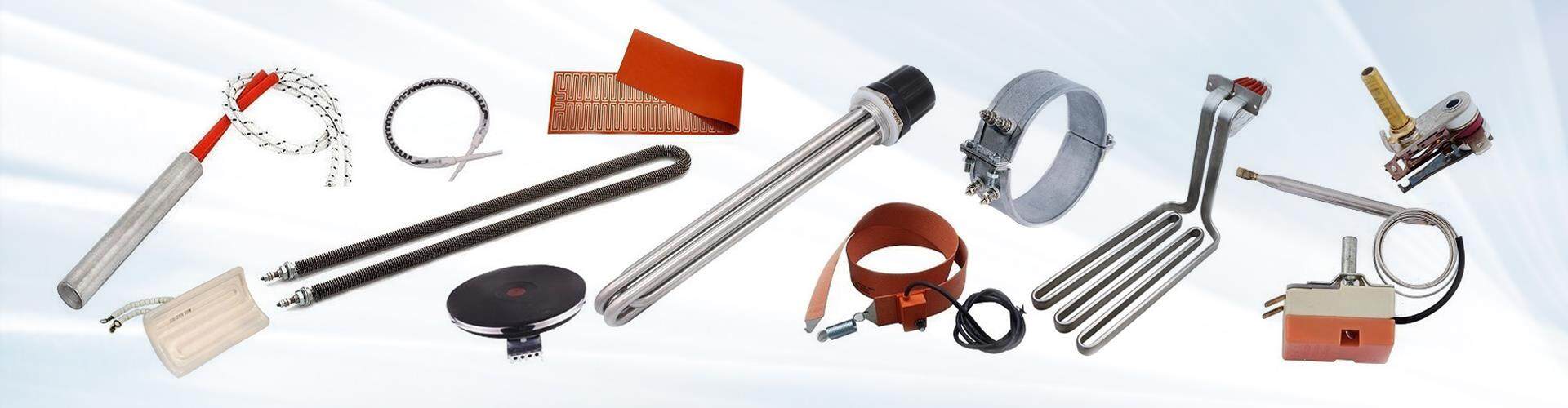
One-stop Immersion Heater Factory in China
If you require heating elements, Jaye Heater-as a long-standing manufacturer of heating elements-will assist you with our team of professional technicians and sales personnel.