Which Heating Elements Are Most Commonly Used in Drying Systems?
Various types of heating elements are used in drying systems depending on the specific requirements of the application, including temperature range, energy efficiency, and the material being dried. Below are the most commonly used heating elements for drying systems:
Finned Electric Air Heating Elements
Material: Stainless steel or aluminum with fins
Why Common: The finned design increases surface area, allowing for more efficient heat transfer. They are often used in air heating systems for drying applications, providing even and fast heating.


Material: Stainless steel or Incoloy
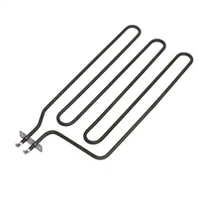
Why Common: Tubular heating elements are durable, versatile, and capable of reaching high temperatures. They are highly reliable for industrial drying processes and can be customized to different lengths and wattages.
Material: Ceramic core with metal sheathing (e.g., stainless steel)
Why Common: Ceramic heating elements provide efficient heat transfer, high-temperature resistance, and excellent durability. They are suitable for applications that require high heat and precise temperature control.


Quartz Infrared Heating Elements
Material: Quartz tube with a tungsten or carbon heating element inside
Why Common: These elements use infrared radiation to heat objects directly, making them ideal for rapid drying processes. They are energy-efficient and provide quick and uniform heating.
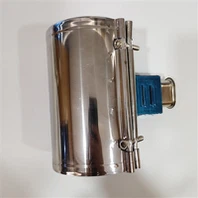
Material: Stainless steel, Incoloy, or copper
Common Uses: Used in applications like curing, coating drying, or in small-scale production ovens.


Flexible Silicone Rubber Heaters
Material: Silicone rubber with embedded heating wires (e.g., Nichrome)
Common Uses: Drum dryers, large industrial drying systems, and equipment where flexibility and adaptability are needed for efficient heating.