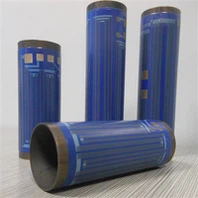
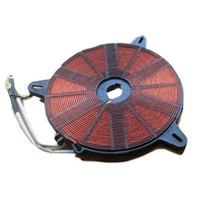
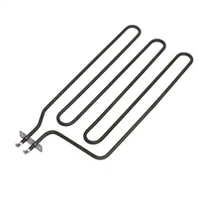
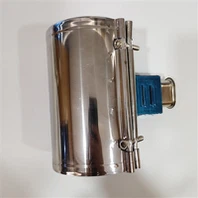
While mica is widely recognized as an excellent electrical insulator, its true value in heating elements lies in its unique combination of properties. This mineral is not just a barrier to electricity; it is a critical component that enables efficient, safe, and durable thermal performance. Understanding this dual role is key to appreciating why mica heaters are preferred in many precision applications.

Q1: Is mica an effective electrical insulator?
Yes, mica is an outstanding electrical insulator. Its layered silicate structure provides high dielectric strength, effectively preventing current leakage and ensuring operational safety in heating elements by isolating the resistive wire.
Q2: How does mica contribute to heat transfer?
Beyond insulation, mica exhibits exceptional thermal conductivity. It rapidly transfers heat from the resistive coil to the entire surface, enabling uniform temperature distribution and reducing damaging hot spots for consistent performance.
Q3: What makes mica suitable for high-temperature applications?
Mica maintains structural integrity and insulating properties at temperatures exceeding 500°C. This heat resistance allows mica heating elements to operate reliably in demanding environments without degradation.
Q4: Why are mica heating elements so thin and lightweight?
The natural flexibility and strength of thin mica sheets allow for compact, space-saving designs. This makes them ideal for applications with strict size constraints, such as in packaging machinery or laboratory equipment.