How to use Thin Film heater in Medical Devices
- Oct 22, 2024-
1. Identify the Application
- Device Type: Determine the medical device where temperature control is required, such as IV fluid warmers, surgical instruments, patient warmers, diagnostic equipment, or blood analyzers.
- Heating Requirements: Assess the specific heating needs-temperature range, heat distribution, and whether the heat must be applied continuously or intermittently.
2. Select the Appropriate Thin Film Heater
- Material Compatibility: Choose a thin film heater made from materials that are biocompatible, non-toxic, and compliant with medical standards such as ISO 10993 and FDA regulations.
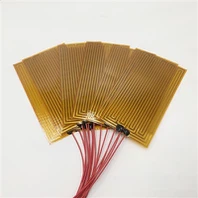
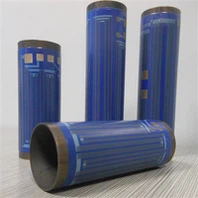
- Shape and Size: Thin film heaters can be customized to fit the shape of the medical device. Their flexibility allows them to conform to curved surfaces or small, confined spaces within the device.
- Temperature Precision: Thin film heaters are known for their precise heat control, making them ideal for medical applications that require maintaining stable temperatures.
3. Ensure Precise Temperature Control
- Temperature Sensors: Integrate temperature sensors like thermistors or thermocouples with the thin film heater to monitor the device's temperature in real time. This is crucial for maintaining optimal temperatures without overheating.
- Control Systems: Use a feedback control system (e.g., PID controller) to regulate the heater. This ensures that the heater automatically adjusts to maintain a constant temperature, crucial in sensitive applications like warming blood or medical fluids.
4. Design for Safety and Reliability
- Overheat Protection: Incorporate safety features like thermal cutoffs (TCOs) or snap-action thermostats to prevent overheating. Medical devices often need to operate without causing burns or compromising patient safety.
- Electrical Insulation: Ensure the heater has proper insulation to avoid electrical interference with other medical device components or patient contact. Materials like polyimide or silicone are commonly used for insulating thin film heaters in medical devices.

5. Implement in Device Assembly
- Adhesive Backing: Many thin film heaters come with adhesive backing, making it easy to apply them to the surface of the medical device. Ensure the adhesive used is suitable for medical environments (sterilization, cleaning).
- Integration with Medical Device Design: Consider the placement of the thin film heater during the design phase. It should be positioned where heat is most effective, such as directly around fluid reservoirs, near diagnostic sensors, or in contact with surgical instruments.
6. Testing and Validation
- Thermal Testing: Conduct thorough testing to ensure that the heater performs within the required temperature range and maintains consistent performance over time.
- Medical Standards Compliance: Validate the heater's performance under FDA or other regulatory body guidelines. Test for reliability, durability, and safety to meet medical device standards.
7. Sterilization and Maintenance
- Sterilization Resistance: Choose materials and adhesives for the heater that can withstand regular sterilization processes such as autoclaving or chemical sterilization.
- Maintenance: Design the thin film heater for easy maintenance or replacement, especially in medical devices that require regular cleaning or sterilization.
8.Example Applications in Medical Devices
- IV Fluid Warmers: Thin film heaters are applied around IV fluid reservoirs to gently and uniformly warm fluids before administration to the patient.
- Surgical Instruments: For instruments requiring precise heat, thin film heaters ensure optimal temperatures are maintained during surgeries without causing tissue damage.
- Patient Warming Blankets: Thin film heaters can be embedded in flexible, thin blankets that keep patients warm during surgeries or in recovery.

Related Industry Knowledge