How to use Thin Film heater in Consumer Electronics
- Oct 24, 2024-
1. Identify the Application
- Display Heating: Prevent condensation or fogging in LCD and LED screens.
- Battery Warming: Maintain battery performance in cold environments by integrating thin film heaters to regulate battery temperature.
- Temperature-Sensitive Devices: For components like cameras, tablets, and smartphones, where stable internal temperatures ensure optimal performance.
- Wearable Devices: For devices like smartwatches or fitness trackers that may need mild heating for comfort or battery regulation.
2. Choose the Right Thin Film Heater
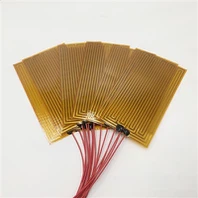
- Material Selection: Opt for heaters made from lightweight, flexible materials like polyimide (Kapton) or PET, which offer excellent thermal conductivity and durability while being thin enough for small devices.
- Size and Shape: Customize the heater to fit compact spaces inside electronics. Thin film heaters are highly flexible and can be shaped to fit around components without adding bulk.
- Low Power Consumption: Thin film heaters are designed to operate efficiently with minimal power, making them ideal for battery-powered consumer devices.
3. Design for Precise Temperature Control
- Temperature Sensors: Integrate sensors like thermistors or thermocouples with the heater to provide real-time temperature data and prevent overheating.
- Smart Temperature Control: Use a feedback control system (e.g., a PID controller) to adjust the heater output based on temperature readings. This ensures the device operates within safe temperature limits without excessive heat.
4. Easy Integration and Installation
- Adhesive Backing: Most thin film heaters come with an adhesive layer, allowing easy application to the surface of electronic components, circuit boards, or battery packs.
- Compact Design: Thin film heaters are extremely thin, often less than 1mm thick, so they fit easily inside tight spaces without disrupting the device's overall design or weight.
- Flexibility: Their flexible nature allows them to conform to curved surfaces, such as camera lenses or wearable devices, ensuring even heat distribution.

5. Battery Protection and Performance
- Battery Warming: In cold environments, thin film heaters can be integrated with the battery housing to maintain the battery's operating temperature, ensuring longer life and optimal performance.
- Energy Efficiency: The low-power consumption of thin film heaters makes them an ideal solution for warming batteries without significantly draining the device's energy.
6. Maintain Component Integrity
- Moisture and Condensation Control: In devices prone to moisture buildup (e.g., cameras, smart glasses), thin film heaters prevent condensation by maintaining a consistent internal temperature, improving image clarity and device longevity.
- Heat Management for Sensitive Components: Thin film heaters can be used to maintain optimal temperatures for sensitive components like sensors or microprocessors, preventing performance issues due to temperature fluctuations.
7. Testing and Safety
- Temperature Regulation: Conduct testing to ensure that the heater maintains the desired temperature without causing damage to other components.
- Compliance with Standards: Ensure the heater meets industry safety and electrical standards for consumer electronics (e.g., UL, CE certifications).
8. Device Example Applications
- Smartphones and Tablets: Integrated in batteries or screens to enhance performance in extreme environments and prevent condensation in displays.
- Cameras and Drones: Heaters can be installed in camera lenses and sensors to prevent fogging or freezing, ensuring clear image capture and stable operation in cold weather.
- Wearable Electronics: Integrated into smartwatches or fitness trackers to regulate temperatures for user comfort or device performance.
- Portable Battery Packs: Thin film heaters help maintain battery health in portable power banks or other mobile electronics.

Related Industry Knowledge