Materials needed:
- Silicone rubber sheet
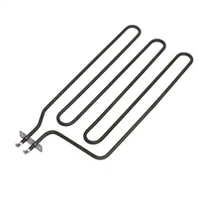
- Heating element, such as a wire or electric heating pad
- Non-conductive adhesive
- Insulation materials, such as fiberglass

Step 1:
Select a silicone rubber sheet with a suitable thickness and size for your heating needs. The silicone should be able to withstand the outdoor environment and temperature fluctuations.
Step 2:
Determine the heating element you want to use. You can use a wire or electric heating pad that is designed for outdoor use. Make sure the element is compatible with the silicone rubber sheet.
Step 3:
Attach the heating element to the back side of the silicone rubber sheet using a non-conductive adhesive. Be sure to lay it out in a uniform pattern to ensure even heat distribution.
Step 4:
Install fiberglass insulation material to the back of the silicone rubber sheet. This will help to reduce heat loss and increase the efficiency of the heater.
Step 5:
Connect the heating element to a power source through a thermostat or temperature controller.
Step 6:
Test the silicone sheet heater and adjust the temperature settings as needed.
Note: It is important to follow the manufacturer's guidelines and safety precautions when building and using a silicone sheet heater. Always consult an expert or professional if you are unsure of the procedure.