Why Silicone Rubber is Ideal for Sanitary Environments
Silicone rubber itself possesses inherent properties that make it a superior choice for food and beverage processing:
- Non-Toxic and Odorless: FDA-grade silicone rubber does not leach chemicals, impart odors, or affect the taste of products, ensuring product purity.
- Easy to Clean: The smooth, non-porous surface prevents bacteria and pathogen harborage. It can withstand frequent, aggressive cleaning with high-pressure washdowns, steam sterilization (CIP/SIP), and harsh sanitizing chemicals without degrading.
- Temperature Resistance: With a continuous operating temperature range typically from -60°C to 200°C (-76°F to 392°F), they can handle everything from hot water washing to high-temperature processing.
- Durability: Resistant to moisture, oils, and many acids, making them suitable for the wet and corrosive environments found in food processing plants.

Key Features for Sanitary Design
When specifying silicone rubber heaters for food and beverage applications, several design elements are crucial:
- Smooth Surface Finish: A seamless, non-porous surface is mandatory to prevent microbial growth and allow for complete drainage without pockets for fluid collection.
- FDA-Compliant Materials: The silicone rubber itself must be made from FDA-listed materials (21 CFR 177.2600) to ensure it is safe for incidental food contact.
- Sealed Components: The heating element and termination points must be fully encapsulated within the silicone to prevent moisture ingress and contamination. All edges are typically sealed.
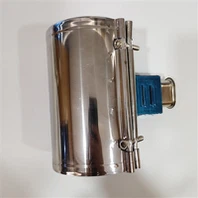
- Stainless Steel Cladding: For added protection and durability, many sanitary heaters are manufactured with a outer layer of 304 or 316L stainless steel. This creates an extremely rugged, easy-to-clean shell that is perfect for direct contact with food products or harsh environments.
- IP Ratings: Look for heaters with a high IP (Ingress Protection) rating, such as IP67 or IP68, which certifies them as dust-tight and protected against prolonged immersion in water-essential for washdown areas.

Common Applications in Food & Beverage Processing
Silicone rubber heaters are incredibly versatile. Some typical uses include:
- Drum and IBC Tote Heating: Wrapping around containers to melt chocolate, keep syrups flowing, or prevent fats from solidifying.
- Pipe and Hose Tracing: Maintaining the temperature of fluids as they travel through transfer lines to prevent crystallization or freezing.
- Process Vessel Heating: Jacketing fermentation tanks, mixing kettles, and reaction vessels to maintain precise temperatures for consistent product quality.
- Proofing Cabinets: Providing consistent, low-temperature heat for proofing bread and other baked goods.
- Food Holding and Warming Stations: Keeping prepared foods at safe serving temperatures in stainless steel serving pans or display cases.
- Extrusion Barrel Heating: Assisting in the startup and temperature maintenance of food extrusion equipment.

Considerations for Selection
When choosing a heater, work with a manufacturer to specify:
- Watt Density: The power required per unit area to achieve the desired temperature rise.
- Voltage: Standard plant voltage (e.g., 120VAC, 240VAC) or low-voltage options for safety.
- Mounting Method: Options include adhesive, mechanical clamping with straps, or being vulcanized directly onto a metal surface.
- Controls: Pairing the heater with an appropriate thermostat or PID controller is essential for maintaining precise temperature setpoints.

Conclusion
In an industry where sanitation and efficiency are paramount, silicone rubber heaters provide a reliable and compliant solution for a wide range of thermal processing needs. Their durability, ease of cleaning, and ability to be customized make them an indispensable tool for food and beverage manufacturers looking to improve product quality, safety, and operational efficiency. By selecting a heater designed with sanitary principles in mind, processors can ensure they meet the rigorous standards demanded by consumers and regulators alike.