Yes, there are different types of hot plates available on the market, each with its own set of features and intended uses. The main types of hot plates include:
1. Electric Hot Plates:
-Coil or Spiral Hot Plates: These have electric heating elements made of coiled or spiral wires. They are cost-effective and widely used for general heating purposes.
Solid Hot Plates: These have a flat, solid heating surface made of materials like cast iron or ceramic glass. They provide even heating and are commonly used for cooking.
2. Induction Hot Plates:
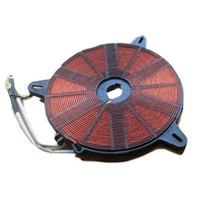
Induction hot plates use magnetic fields to directly heat the cookware, making them highly energy-efficient and responsive. They heat up quickly and provide precise temperature control. However, they require cookware with a magnetic base, like stainless steel or cast iron.
3. Gas-Powered Hot Plates:
These hot plates are fueled by natural gas or propane. They are commonly used in commercial kitchens for their high heat output and responsiveness. They are also popular for outdoor cooking.
4. Laboratory Hot Plates:
Designed for scientific and laboratory use, these hot plates often feature a ceramic or glass-ceramic surface that is resistant to chemicals and easy to clean. They may include magnetic stirring capabilities for experiments.
5. Magnetic Stirrer Hot Plates:
These hot plates have built-in magnetic stirrers, making them ideal for laboratory applications where continuous stirring is required along with heating.
6. Portable Hot Plates:
These compact, lightweight hot plates are designed for easy transport and temporary heating needs. They are commonly used in dorm rooms, small kitchens, or for outdoor cooking.
7. Ceramic Glass Hot Plates:
These electric hot plates have a smooth, glass-ceramic surface that is easy to clean and provides even heating. They are often used in residential kitchens.
8. Infrared Hot Plates:
Infrared hot plates use infrared radiation to heat objects directly without heating the surrounding air. They are energy-efficient and can heat up quickly, making them suitable for cooking and warming food.
9. Commercial Hot Plates:
These are heavy-duty hot plates designed for commercial kitchens and food service establishments. They often have multiple burners or heating zones and are built to withstand continuous use.
10. Digital Hot Plates:
These hot plates come with digital temperature controls and displays, allowing for precise temperature adjustments and monitoring.
11. Camping or Portable Gas Stoves:
These compact gas-powered hot plates are designed for camping and outdoor cooking. They are portable and easy to transport.
The choice of hot plate type depends on the intended use, power source availability, desired temperature control, and specific features required. For example, electric hot plates are suitable for most cooking tasks, while induction hot plates are energy-efficient and offer precise control. In laboratory settings, specialized laboratory hot plates with chemical-resistant surfaces are essential.